How to Verify Your Wallet Address: A Step-by-Step Guide
Contents
In the expanding landscape of cryptocurrencies, safeguarding your assets is a top priority. A vital part of this process is knowing how to verify your wallet address. This guide will take you through the essentials, including types of wallets, verification methods, and security tips to ensure your transactions are safe and accurate.
Types of Crypto Wallets
Before diving into verification, it's essential to understand the various types of crypto wallets. Each has unique features affecting how you verify your wallet address.
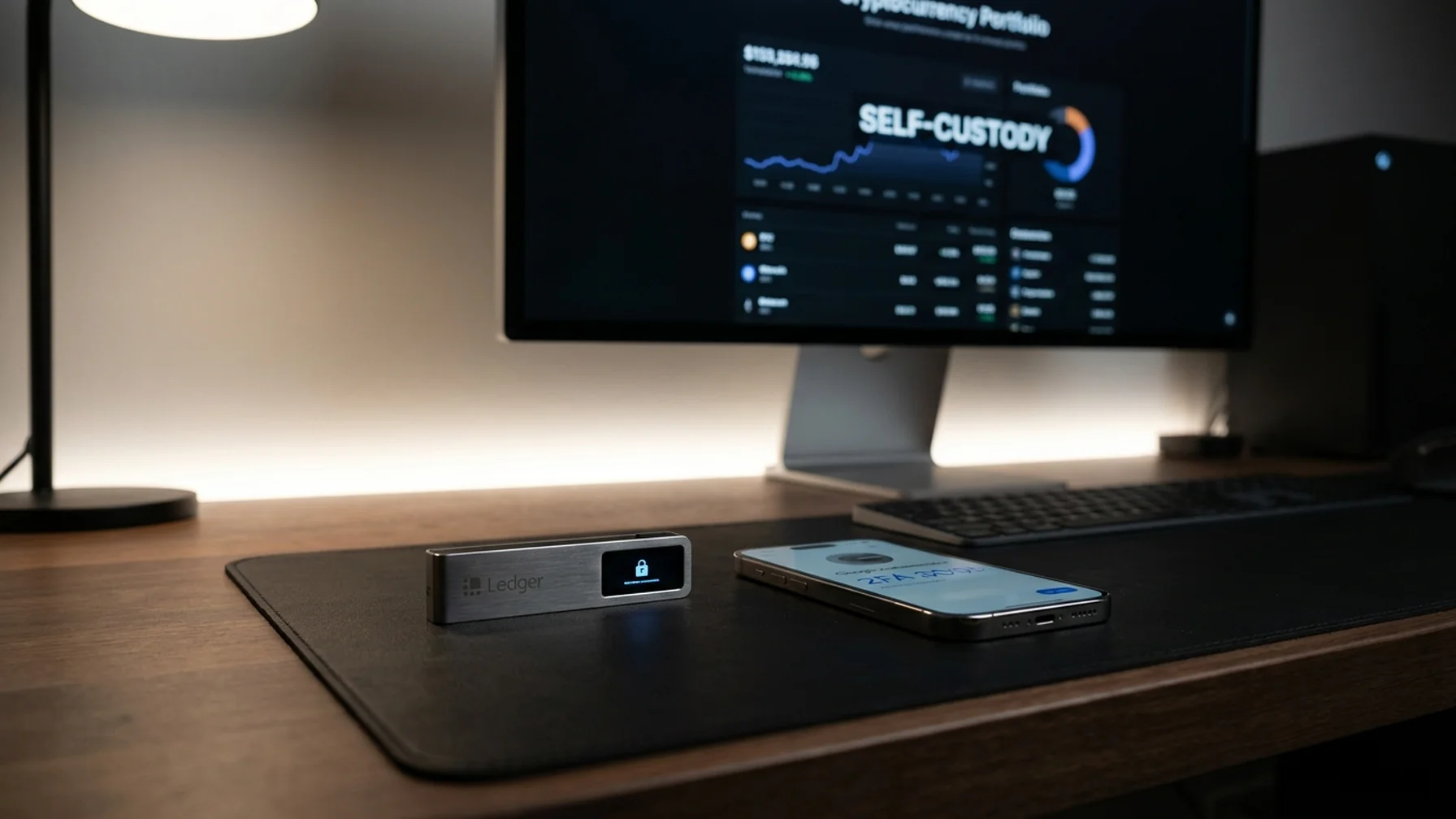
- Hardware Wallets: Physical devices like Ledger or Trezor, offering offline storage for added security.
- Software Wallets: Applications like MetaMask, Trust Wallet, and Phantom Wallet accessible via devices.
- Paper Wallets: A printed or handwritten record of keys, serving as a form of cold storage.
- Brain Wallets: Wallets where the seed phrase is memorized, not stored digitally.
- Smart Contract Wallets: Utilize smart contracts for management, often featuring multisig capabilities.
Understanding these wallet types helps in choosing the right verification method and enhances overall security.
Steps to Verify Your Wallet Address
Verifying your wallet address is crucial for ensuring safe and accurate transactions. Follow these steps to verify your wallet address effectively:
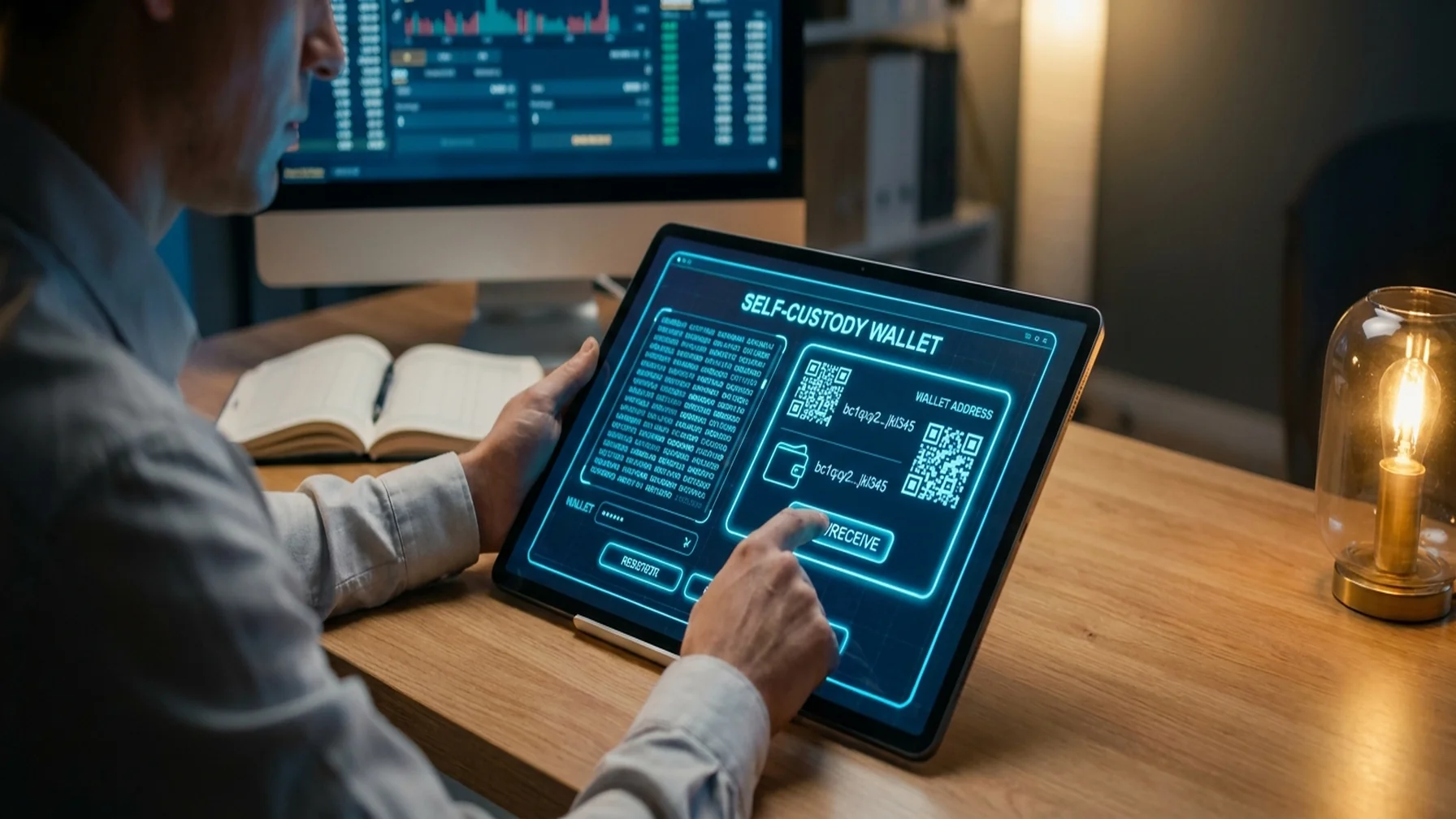
- Access Your Wallet: Open your wallet application or use your hardware wallet to access your account.
- Locate the Address: Find the section displaying your wallet address, usually under a "Receive" or "Deposit" tab.
- Cross-Check the Address: Compare the displayed address with trusted sources or previous transaction records.
- Use Verification Tools: Some wallets offer built-in tools to verify your address. Use these for additional assurance.
Ensuring the address is accurate before proceeding with any transaction is vital to avoid sending funds to an incorrect address.
Verification Methods for Wallet Addresses
Using these methods will help confirm the validity of your wallet address and mitigate risks associated with incorrect transactions.
| Verification Method | Description |
|---|---|
| Manual Check | Inspect the address manually for typos and errors. |
| Online Verification Tools | Use reputable online services to validate the wallet address. |
| Block Explorer | Search the wallet address on a blockchain explorer to view transaction history. |
| Contact the Sender/Receiver | Confirm the address directly with the party involved in the transaction. |
By employing these methods, you can ensure greater security and accuracy in your crypto transactions.
Importance of Seed Phrase Backup
Your seed phrase is crucial for wallet security. It's a series of words generated by your wallet that can recreate your wallet and its contents if needed. Store it securely and never share it. Hardware wallets like Ledger and Trezor stress the importance of this step.
Security Measures for Crypto Wallets
Beyond verifying your wallet address, implementing strong security practices is essential. Here are some tips to enhance your wallet's security:
- Wallet Encryption: Encrypt your wallet to protect it from unauthorized access.
- 2FA Setup: Enable two-factor authentication for an extra security layer.
- Avoid Phishing: Double-check URLs and avoid suspicious links.
- Use Password Managers: Securely store your passwords to manage login credentials.
- VPN for Crypto Transactions: Use a VPN to protect your online activities when accessing your wallet.
- Opsec Basics: Be cautious of your surroundings and information shared online about crypto activities.
- SIM Swap Protection: Set up a PIN with your carrier to protect your phone number from being hijacked.
Implementing these measures can significantly reduce the risk of unauthorized access to your wallet and funds.
Understanding Wallet Types: Custodial vs. Non-Custodial
When selecting a wallet, you'll encounter custodial and non-custodial options. Custodial wallets, often provided by exchanges, manage your private keys. Non-custodial wallets give you full control over your keys and funds. While custodial wallets offer convenience, non-custodial wallets provide enhanced security and privacy.
Cold Storage vs. Hot Wallets
Cold storage keeps your crypto offline, using hardware or paper wallets for high security. Hot wallets, on the other hand, are online and accessible for quick transactions but are more vulnerable to hacks.
Wallet Recovery and Multisig Wallets
In case of access loss, having a recovery plan is crucial. Ensure your seed phrase is backed up securely. Additionally, consider using multisig wallets, which require multiple signatures to authorize a transaction. This adds an extra layer of security, especially in collaborative environments.
Verify Before Sending Crypto Purchases
When making purchases with crypto, always verify the recipient's wallet address before proceeding. During the checkout flow, double-check all details to ensure accuracy. Wallet apps like Trust Wallet and Exodus Wallet offer user-friendly interfaces to streamline this process.
By following these steps and tips, you can effectively verify and secure your wallet address, keeping your crypto assets safe and secure.