Ledger vs Trezor: A Comprehensive Comparison for Crypto Wallet Users
Contents
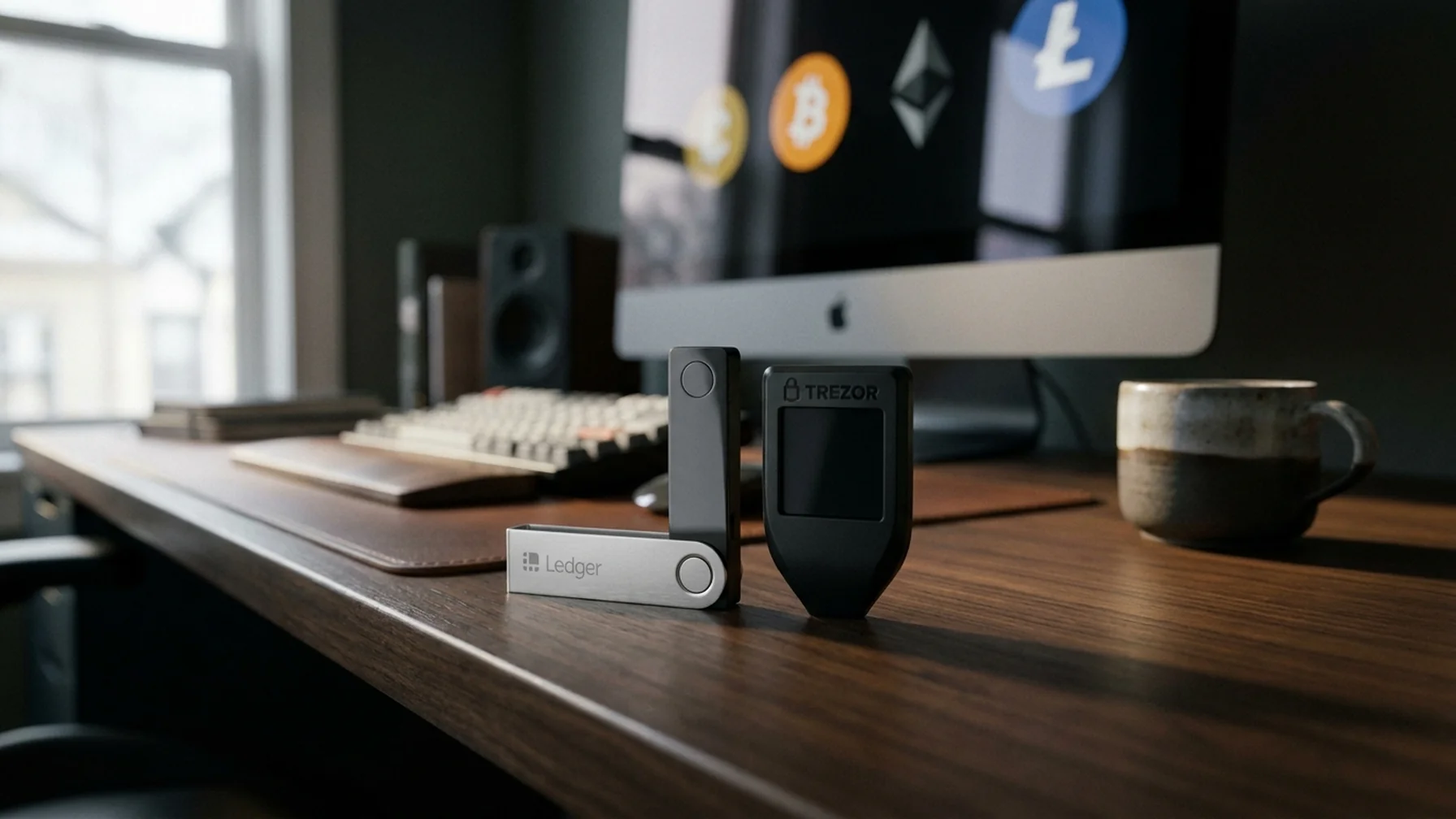
As cryptocurrency continues to grow in popularity, securing digital assets has become more critical than ever. For individuals exploring crypto wallets, the "ledger vs trezor comparison" is a frequent topic of interest. Both Ledger and Trezor offer robust hardware wallet solutions, yet each presents unique features catering to different user needs. In this article, we'll explore their differences, focusing on aspects such as hardware vs software wallets, seed phrase backup, multisig wallets, and more. By understanding these elements, users can make informed decisions about which wallet best suits their needs, whether for individual use or managing shared funds. Through detailed comparisons and real-world scenarios, we'll guide you through the complexities of choosing between Ledger and Trezor.
Hardware vs Software Wallets: Understanding the Basics
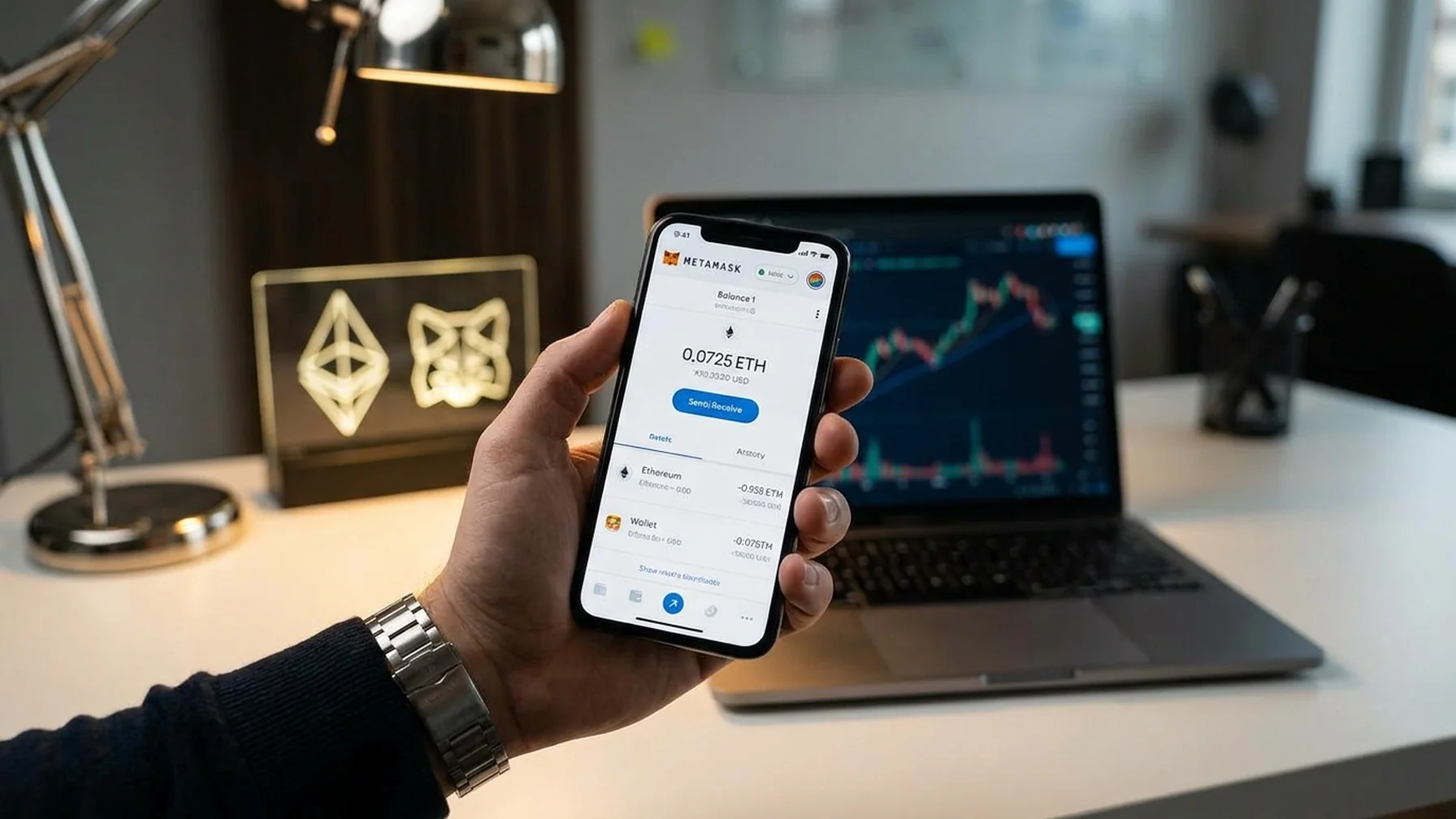
When selecting a crypto wallet, knowing the difference between hardware and software solutions is crucial. Hardware wallets like Ledger and Trezor provide a higher level of security by storing private keys offline, making them less vulnerable to hacking. This offline storage is essential for long-term investors who prioritize security over convenience. In contrast, software wallets such as MetaMask, Trust Wallet, and Phantom Wallet are more convenient for everyday transactions but are considered less secure due to their online nature. For instance, frequent traders might opt for software wallets for easy access, despite the increased risk.
Seed Phrase Backup: The Key to Wallet Recovery
A critical component of any crypto wallet is the seed phrase backup. This phrase, a series of words, can recover a wallet if it’s lost or damaged. Both Ledger and Trezor support seed phrase backups, but users must store these phrases securely offline, perhaps in a paper wallet or a brain wallet, to prevent unauthorized access. Consider the scenario where a hardware wallet is lost; without a securely stored seed phrase, recovering the assets becomes impossible. For example, a user who kept their seed phrase in a digital document faced a breach and lost their funds to hackers.
Multisig Wallets: Enhanced Security
Multisig, or multi-signature wallets, provide an additional layer of security by requiring multiple private keys to authorize a transaction. While Ledger and Trezor support multisig capabilities, it’s important to consider the complexity this adds to wallet management. This feature is particularly beneficial for businesses or groups managing shared funds, ensuring that no single person can move assets without approval. Imagine a startup using multisig wallets to manage their crypto assets; this setup prevents any single member from misappropriating funds, thus safeguarding the company's financial interests.
Crypto Security Tips: Protecting Your Assets
- Use a hardware wallet for long-term storage.
- Regularly update your wallet’s firmware.
- Enable wallet encryption and set up 2FA (Two-Factor Authentication).
- Avoid phishing scams by verifying wallet addresses before transactions.
- Use a VPN for crypto transactions to enhance privacy.
- Practice opsec basics: keep your recovery phrases and passwords offline.
- Protect against SIM swap attacks by securing your mobile accounts.
By following these tips, crypto users can significantly decrease the risk of losing their assets to cyber threats. For example, a user who fell victim to a phishing scam could have avoided it by double-checking the wallet address before making a transaction.
Cold Storage vs Hot Wallets: Choosing the Right Option
Cold storage refers to keeping your crypto assets offline to protect them from online threats. In contrast, hot wallets are connected to the internet and are more vulnerable to attacks. Ledger and Trezor are both excellent cold storage solutions, while hot wallets like Exodus Wallet, Rainbow Wallet, and Trust Wallet offer more convenience for daily use. A long-term investor might choose cold storage through Ledger or Trezor for peace of mind, whereas a day trader might prefer the convenience of a hot wallet despite the higher risk.
Custodial vs Non-Custodial Wallets: Control Over Your Crypto
Custodial wallets are services where a third party holds your private keys, while non-custodial wallets give you full control over your keys. Both Ledger and Trezor are non-custodial, empowering users with complete ownership and control over their crypto assets. This distinction is crucial for those who prioritize autonomy over their investments. For instance, a user who values privacy and control would prefer non-custodial wallets to retain full access to their funds.
Understanding Wallet Derivation and HD Wallets
Hierarchical Deterministic (HD) wallets, like Ledger and Trezor, generate a tree of keys from a single seed. This allows users to manage multiple addresses from one wallet, simplifying crypto management. Wallet derivation paths are essential for accessing specific keys, and understanding them can enhance your ability to recover and manage your crypto efficiently. In practice, a user managing multiple cryptocurrencies can benefit from HD wallets by keeping their assets organized while ensuring security.
Smart Contract Wallets: Expanding Functionality
Smart contract wallets are designed to interact with decentralized applications (dApps) on platforms like Ethereum. While Ledger and Trezor can connect to smart contract wallets via integrations with software like MetaMask, users should be cautious. Always verify contract addresses and review permissions before engaging with dApps. For example, a user participating in decentralized finance (DeFi) might use a smart contract wallet for staking, carefully reviewing the contract terms to protect their assets.
Secure Your Transactions: Paying with Crypto Wallets
Sending crypto purchases securely involves several steps. Verify wallet addresses, double-check transaction details, and ensure you’re using a secure network. Ledger and Trezor provide user-friendly interfaces to facilitate these transactions, ensuring a smooth wallet checkout flow. For instance, a user purchasing goods online with crypto can rely on Ledger or Trezor for a seamless and secure transaction experience.
Overall, both Ledger and Trezor offer excellent solutions for secure crypto management. By understanding the nuances of each and how they fit into your specific needs, you can make an informed choice that balances security and convenience.
Comparison Table: Features of Ledger and Trezor
The following table compares key features of Ledger and Trezor, helping users decide which wallet might better suit their needs:
| Feature | Ledger | Trezor |
|---|---|---|
| Security Level | High (Offline Storage) | High (Offline Storage) |
| User Interface | Intuitive | User-friendly |
| Supported Coins | 1800+ | 1000+ |
| Multisig Support | Yes | Yes |
| Smart Contract Compatibility | Yes, via MetaMask | Yes, via MetaMask |
| Price Range | $59 - $149 | $69 - $189 |
With this table, users can easily compare the basic features of Ledger and Trezor and see which aspects align with their priorities, such as price, coin support, and additional functionalities.
Common Mistakes and How to Avoid Them
Users often make mistakes that can jeopardize their crypto assets. One common mistake is failing to regularly update wallet firmware, which can leave the wallet vulnerable to security breaches. Another is not securely storing the seed phrase, which is crucial for wallet recovery. Some users also overlook the importance of enabling two-factor authentication (2FA), which adds an extra layer of security. For instance, a user who neglected 2FA was hacked and lost substantial funds. To avoid such scenarios, always keep firmware up-to-date, store your seed phrase offline, and enable 2FA. These practices are vital for ensuring the safety of your digital assets.
In conclusion, whether you choose Ledger or Trezor, understanding their features and potential pitfalls will help secure your cryptocurrency investments. By considering real-world scenarios and aligning features with your needs, you can make a confident choice in safeguarding your assets.