Phantom Wallet Overview: Navigating the Crypto Wallet Landscape
Contents
Choosing the right cryptocurrency wallet is essential for safeguarding your assets and ensuring ease of use. This Phantom wallet overview provides insights into various wallet types, including Phantom, and how they stack up against popular options like MetaMask and Trust Wallet.
Distinguishing Hardware and Software Wallets
Cryptocurrency wallets fall into two main categories: hardware and software. Hardware wallets, such as Ledger and Trezor, store private keys offline, offering robust protection against online threats. In contrast, software wallets store keys on devices, making them more accessible but potentially more vulnerable.
- Hardware Wallets: Ideal for secure, long-term storage of large crypto amounts.
- Software Wallets: Suitable for frequent transactions and smaller holdings.
Your choice depends on your transaction frequency and security needs.
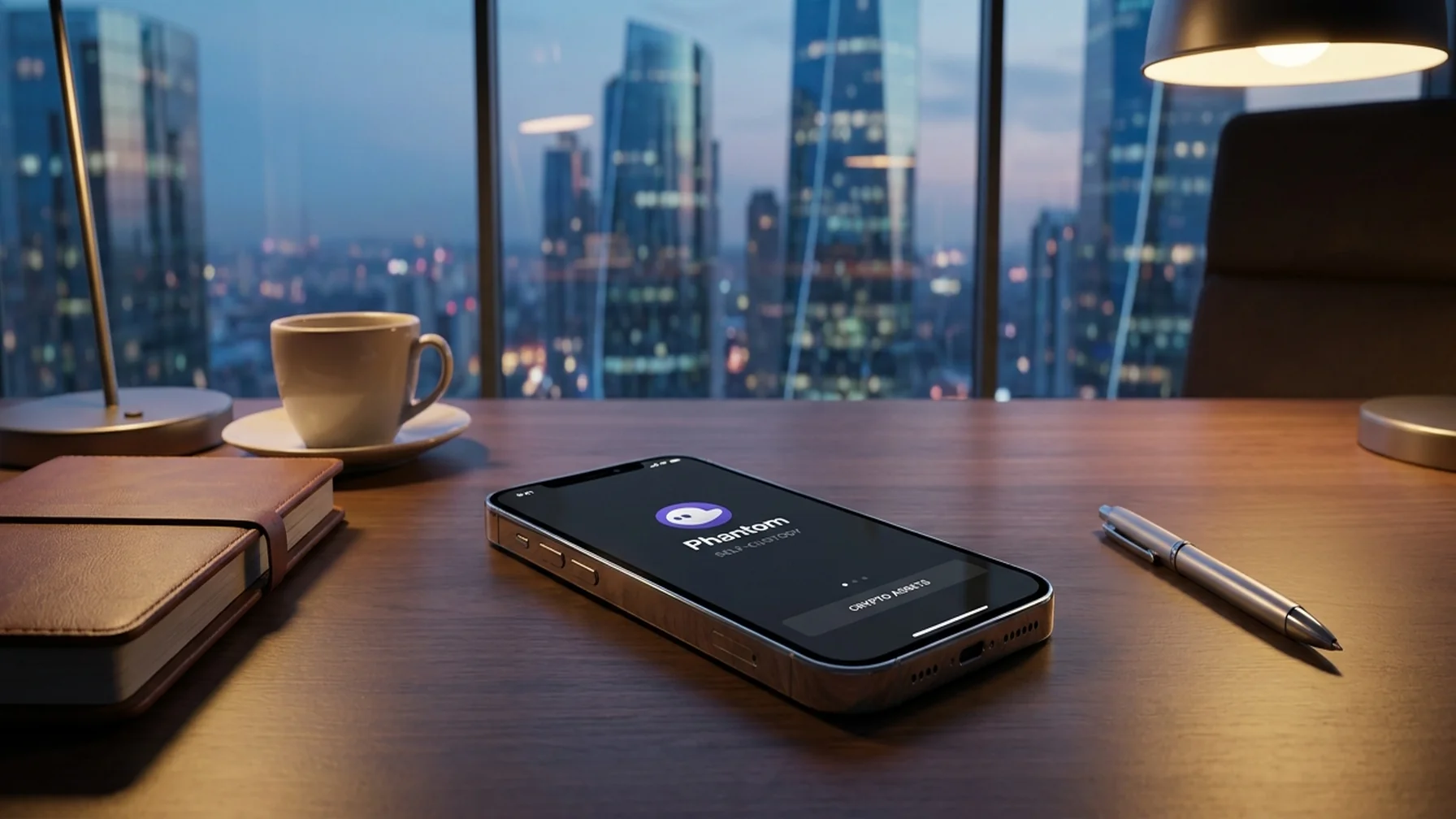
Getting Started with Phantom Wallet
To efficiently use the Phantom Wallet, follow these steps to set up and manage your crypto assets:
- Visit the official Phantom Wallet site and download the browser extension.
- Create a new wallet, securely storing the provided recovery phrase.
- Link Phantom Wallet to decentralized applications (dApps) to manage digital assets and interact with the Solana blockchain.
Completing these steps enables effective use of Phantom Wallet for cryptocurrency management and Solana ecosystem engagement.
Securing Your Seed Phrase
A seed phrase is crucial for wallet recovery if lost or stolen. Ensure you securely back up this phrase offline and keep it private. This backup acts as a safety net against data loss.
Exploring Multisig Wallets and Recovery Options
Multisig wallets enhance security by requiring multiple keys for transactions, beneficial for businesses and joint accounts. Wallet recovery involves using your seed phrase to regain access if your device is lost or compromised.
Key Security Tips for Crypto Users
Security is critical in cryptocurrency management. Here are essential tips to protect your digital assets:
- Enable Two-Factor Authentication (2FA) for added security.
- Use a password manager to keep passwords secure.
- Employ a VPN for secure internet connections when accessing wallets.
- Avoid phishing by verifying wallet addresses and emails.
- Regularly update wallet software for security patches.
Implementing these measures reduces the risk of unauthorized access to your assets.
Understanding Hot Wallets and Cold Storage
Hot wallets are online, enabling easy transactions, while cold storage keeps assets offline, minimizing cyber threats. A balanced approach using both types for different purposes is often advisable.
Custodial and Non-Custodial Wallets
Custodial wallets, managed by third parties, hold private keys for users, offering ease of use but requiring trust. Non-custodial wallets give users control over their keys, emphasizing personal responsibility and security.
Smart Contract Wallets: Enhanced Functionality
Smart contract wallets, common on Ethereum, allow programmable transactions. They automate processes like recurring payments, enhancing functionality and control over assets.
Comparing Popular Wallets: Ledger, Trezor, MetaMask, Trust Wallet, and Phantom
Choosing a wallet can be challenging. Here's a comparison to aid your decision:
Comparison of Wallets by Type and Best Use
| Wallet | Type | Best For |
|---|---|---|
| Ledger | Hardware | Maximum security |
| Trezor | Hardware | User-friendly security |
| MetaMask | Software | DeFi and NFTs |
| Trust Wallet | Software | Mobile accessibility |
| Phantom Wallet | Software | Solana ecosystem |
Each wallet offers distinct features; consider security, ease of use, and blockchain support when choosing.
Advanced Wallet Concepts: Paper and Brain Wallets
For those exploring unconventional options, paper wallets involve printing private keys, while brain wallets use memorized passphrases. Both have unique security considerations, suitable for advanced users.
Improving Wallet Security: Beyond Basics
To enhance wallet security, consider encryption and 2FA. Protect against SIM swap attacks and maintain strong operational security (OpSec) to safeguard your assets effectively.
In summary, selecting a crypto wallet hinges on your personal needs, security priorities, and cryptocurrency types. By understanding the features and differences among options like Phantom, Ledger, and MetaMask, you can confidently secure your digital assets.