
Enhance Your Crypto Security: Tips for Wallet Protection and Safe Transactions
Contents
As cryptocurrencies gain popularity, it becomes crucial to enhance crypto security to protect your digital assets. Understanding wallet options, backup strategies, and protective measures is key. This guide provides essential tips to safeguard your crypto investments effectively.
Choosing the Right Wallet: Hardware vs. Software
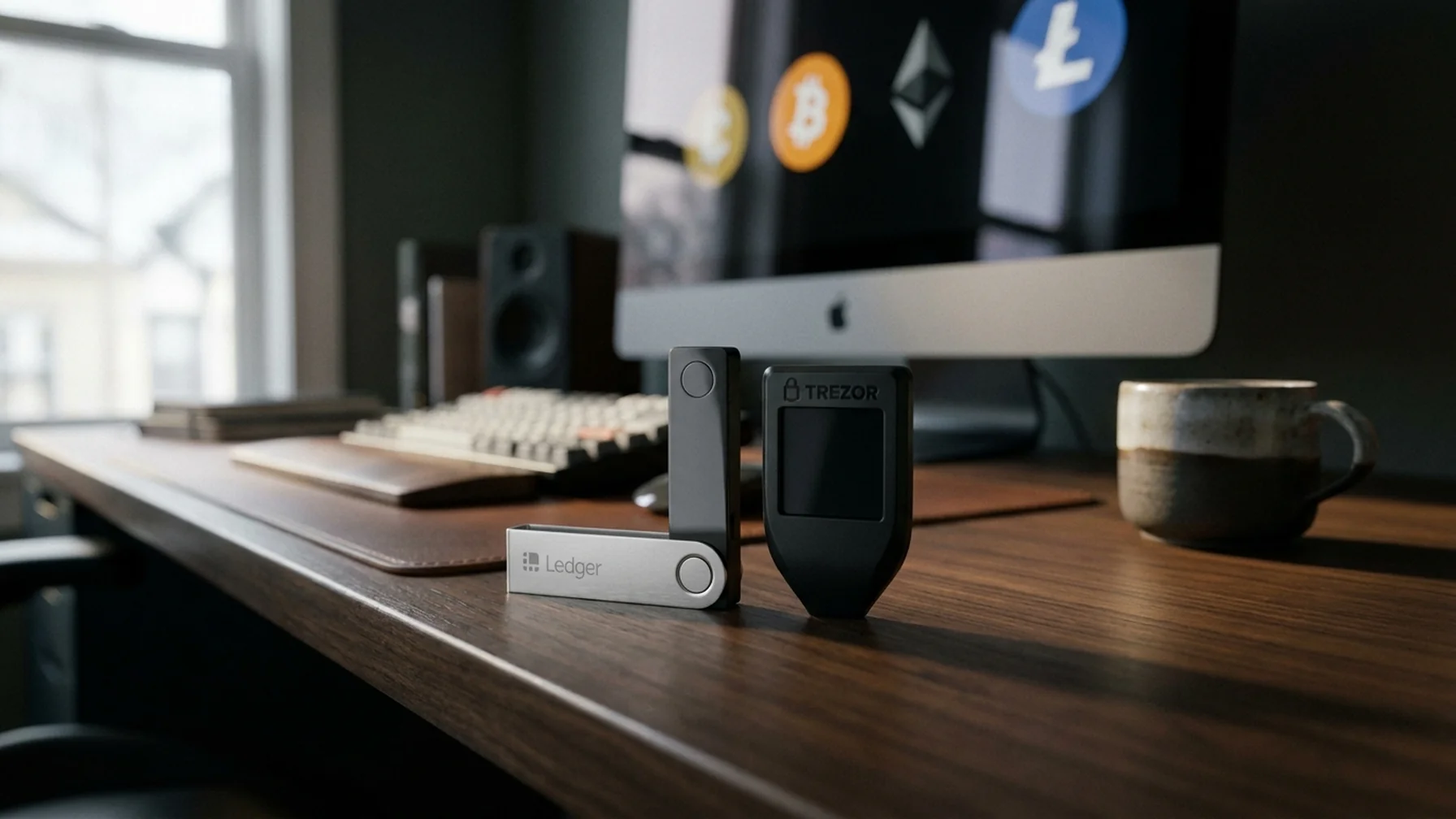
Selecting the appropriate wallet is a foundational step in enhancing crypto security. Hardware wallets, such as Ledger and Trezor, offer offline storage of keys, providing robust protection against online threats. However, software wallets like MetaMask and Trust Wallet offer convenience and easy access. Consider your needs and security priorities when choosing.
Comparing Ledger and Trezor
Both Ledger and Trezor are top hardware wallet choices, each with unique features. Ledger provides Bluetooth connectivity and a mobile app, while Trezor is known for its open-source firmware and web-based interface. Consider these factors:
- Connectivity: Ledger supports Bluetooth and USB; Trezor uses USB only.
- Security: Ledger uses a secure element chip; Trezor offers open-source firmware.
- User Interface: Ledger has a mobile app; Trezor provides a web-based interface.
- Supported Currencies: Ledger supports over 1,800 currencies; Trezor supports over 1,000.
Choose based on your preference for mobile app experiences or open-source transparency.
Effective Crypto Security Tips
Implementing effective security measures can significantly reduce the risk of theft or loss of cryptocurrency. Below are key practices to enhance your crypto security:
- Use strong, unique passwords for each account and wallet.
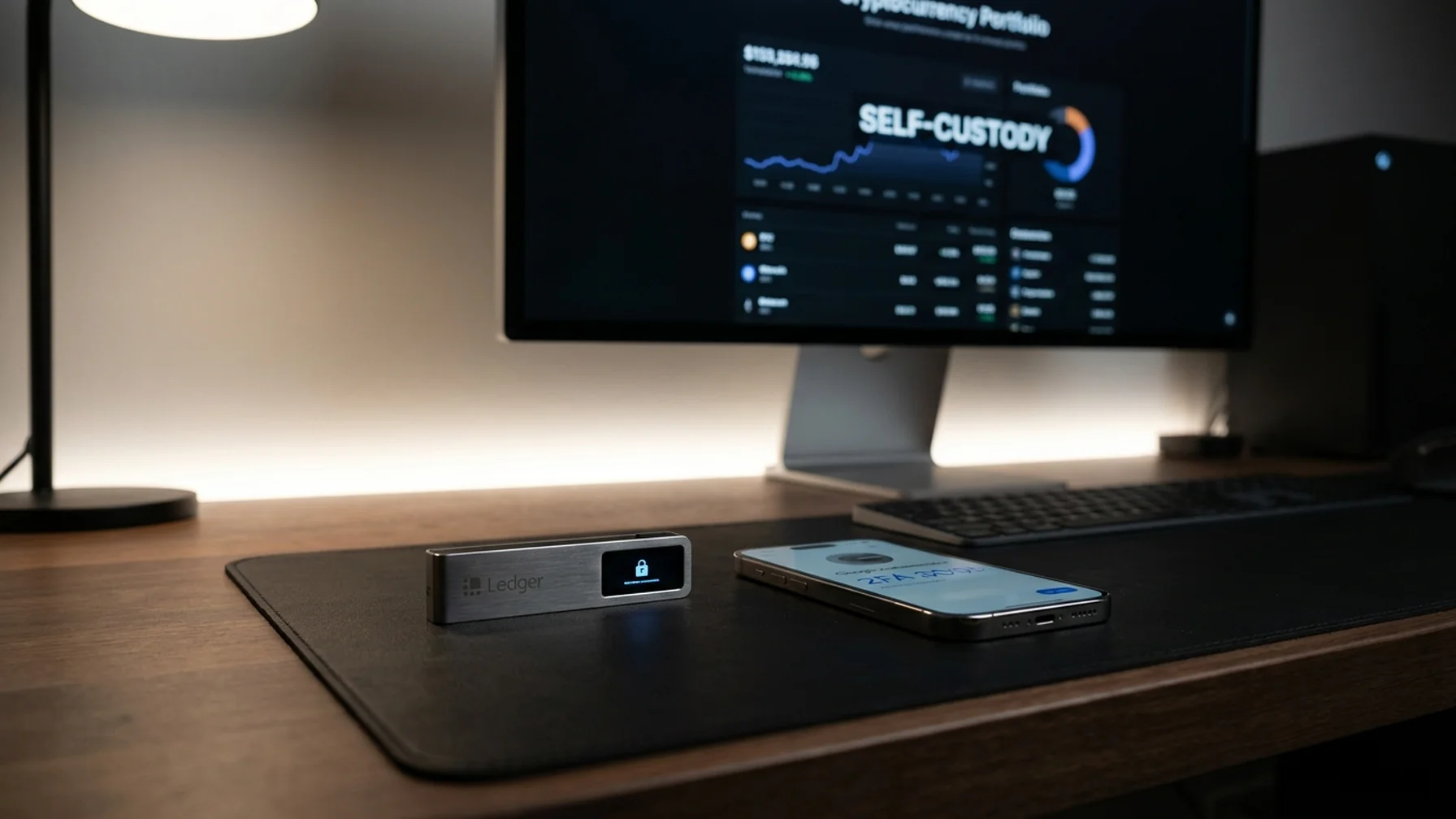
- Enable two-factor authentication (2FA) wherever possible.
- Regularly update your wallets and security software.
- Store assets in hardware wallets for offline security.
- Be cautious of phishing attacks and only use trusted platforms.
Following these practices helps protect your investments from potential threats.
Understanding Seed Phrase Backup
A seed phrase is crucial for recovering access to your crypto wallet. Store it securely, avoiding digital formats. Write it on paper and keep it in a safe location to protect against digital breaches.
Multisig Wallets: Adding Extra Security
Multisig (multi-signature) wallets require multiple approvals for a transaction, offering added security. This is especially useful for organizations managing large amounts of cryptocurrency. Consider multisig options for enhanced protection against unauthorized transactions.
Cold Storage: Secure Offline Storage
Cold storage involves keeping crypto offline to reduce hacking risks. Hardware wallets are a common form, but paper wallets and brain wallets (memorized seed phrases) are alternatives. Each method has pros and cons; choose according to your security needs.
Custodial vs. Non-Custodial Wallets
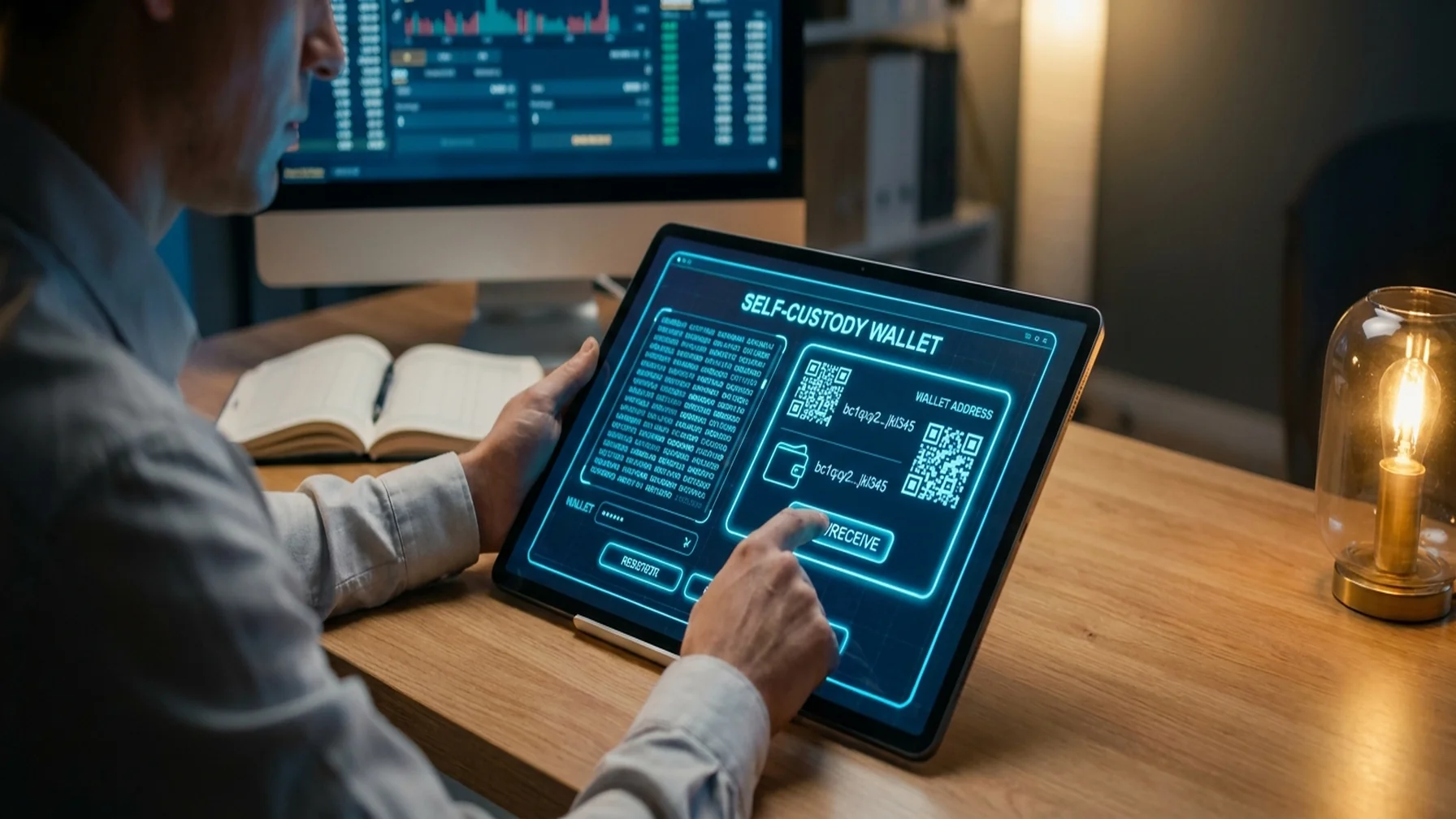
Custodial wallets are managed by third parties, while non-custodial wallets offer full control over private keys. Non-custodial wallets provide greater security and ownership. Opt for them if you prefer complete control over your crypto assets.
Security Tips Summary Table
Here’s a summary of effective tips for improving your crypto security:
| Security Tip | Description |
|---|---|
| Use Strong Passwords | Create complex passwords with a mix of letters, numbers, and symbols. |
| Enable Two-Factor Authentication (2FA) | Require a second form of identification for added security. |
| Keep Software Updated | Regularly update to protect against vulnerabilities. |
| Use a Hardware Wallet | Store cryptocurrency offline for added protection. |
| Be Wary of Phishing Attacks | Verify sources before entering sensitive information. |
Consistently applying these tips can greatly enhance your crypto security.
Verifying Wallet Addresses
Always double-check wallet addresses before sending crypto. A single mistake can lead to irreversible losses. Use QR codes or copy-paste functions to minimize errors, and verify addresses multiple times before confirming transactions.
Smart Contract Wallets: Features and Risks
Smart contract wallets offer advanced features like recovery options and automatic transactions. However, they can be vulnerable to bugs. Ensure the wallet has been audited by security experts to minimize risks.
Software Wallets: MetaMask, Trust Wallet, and More
Software wallets like MetaMask, Trust Wallet, and Exodus offer various features. MetaMask integrates with decentralized apps, while Trust Wallet supports many cryptocurrencies. Explore each wallet’s features to find the best fit for your needs.
Encrypting Your Wallet and Using 2FA
Encrypting your wallet with a strong password and enabling 2FA on all associated accounts is vital for asset protection. These measures guard against unauthorized access.
Avoiding Phishing and Using Password Managers
Phishing attacks are common. Verify website authenticity and use password managers to create and store strong, unique passwords, enhancing your security.
VPN and OPSEC Basics for Crypto Users
Use a Virtual Private Network (VPN) when accessing crypto accounts for privacy. Practice good operational security (OPSEC) by not sharing sensitive information publicly to protect against targeted attacks.
Protecting Against SIM Swap Attacks
SIM swap attacks can compromise your phone number. Use app-based 2FA instead of SMS and discuss security options with your mobile provider to add extra layers of protection.
Secure Crypto Transactions: Checkout Flow
Ensure secure transactions by verifying merchant legitimacy and transaction details before confirming payments. This helps prevent fraud and asset loss.
By following these crypto security tips, you can significantly enhance the protection of your digital assets. Stay informed and vigilant to safeguard your investments in the ever-evolving world of cryptocurrency.