Avoiding Crypto Phishing Scams: Essential Strategies and Tips
Contents
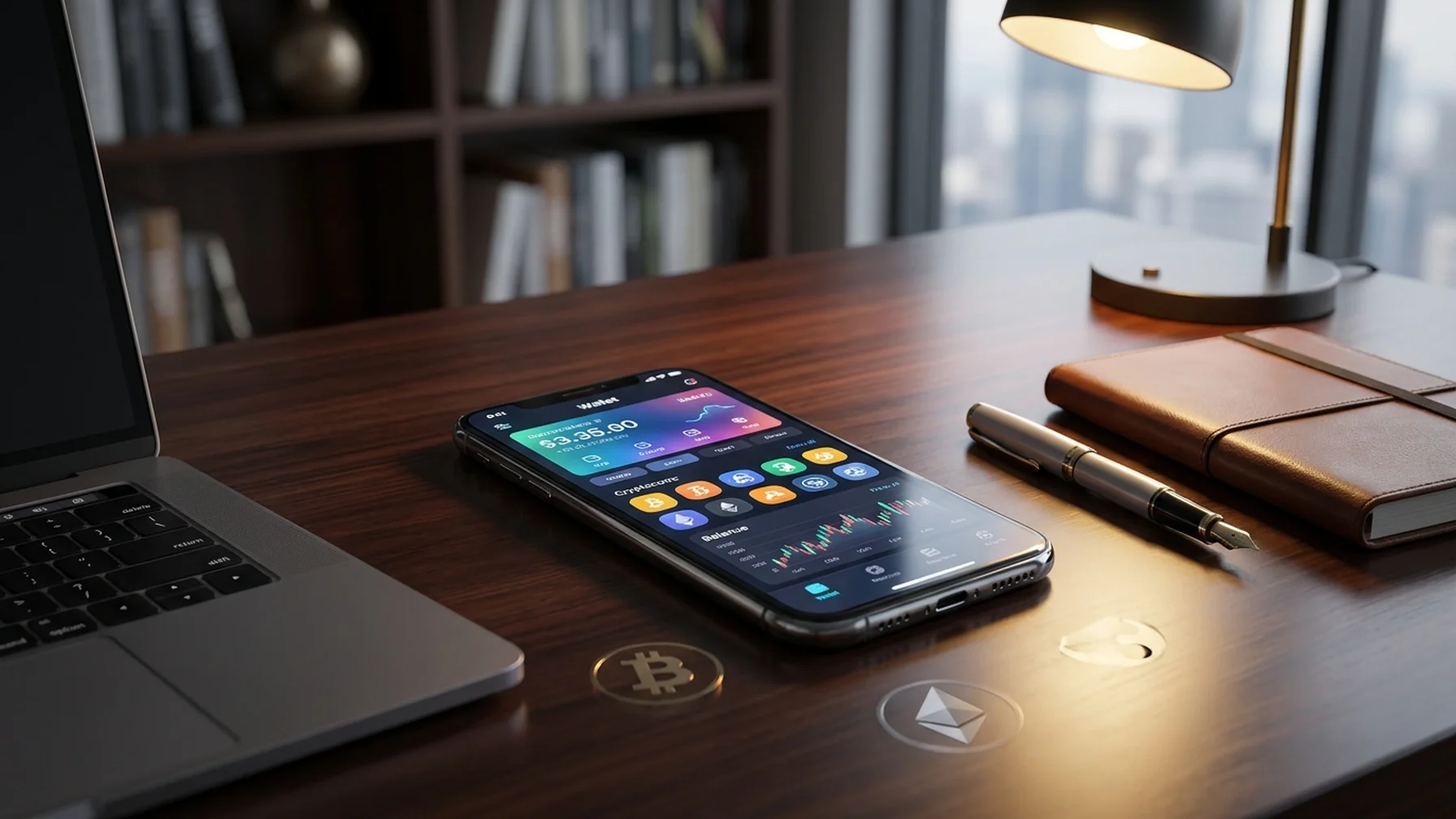
Cryptocurrency security is vital for anyone managing digital assets. Avoiding crypto phishing scams is crucial, particularly when interacting with wallets and handling digital funds. Whether using hardware or software wallets, recognizing their security strengths and vulnerabilities is key. This guide offers strategies and tools to protect your crypto holdings effectively.
Types of Crypto Wallets: Understanding Their Security
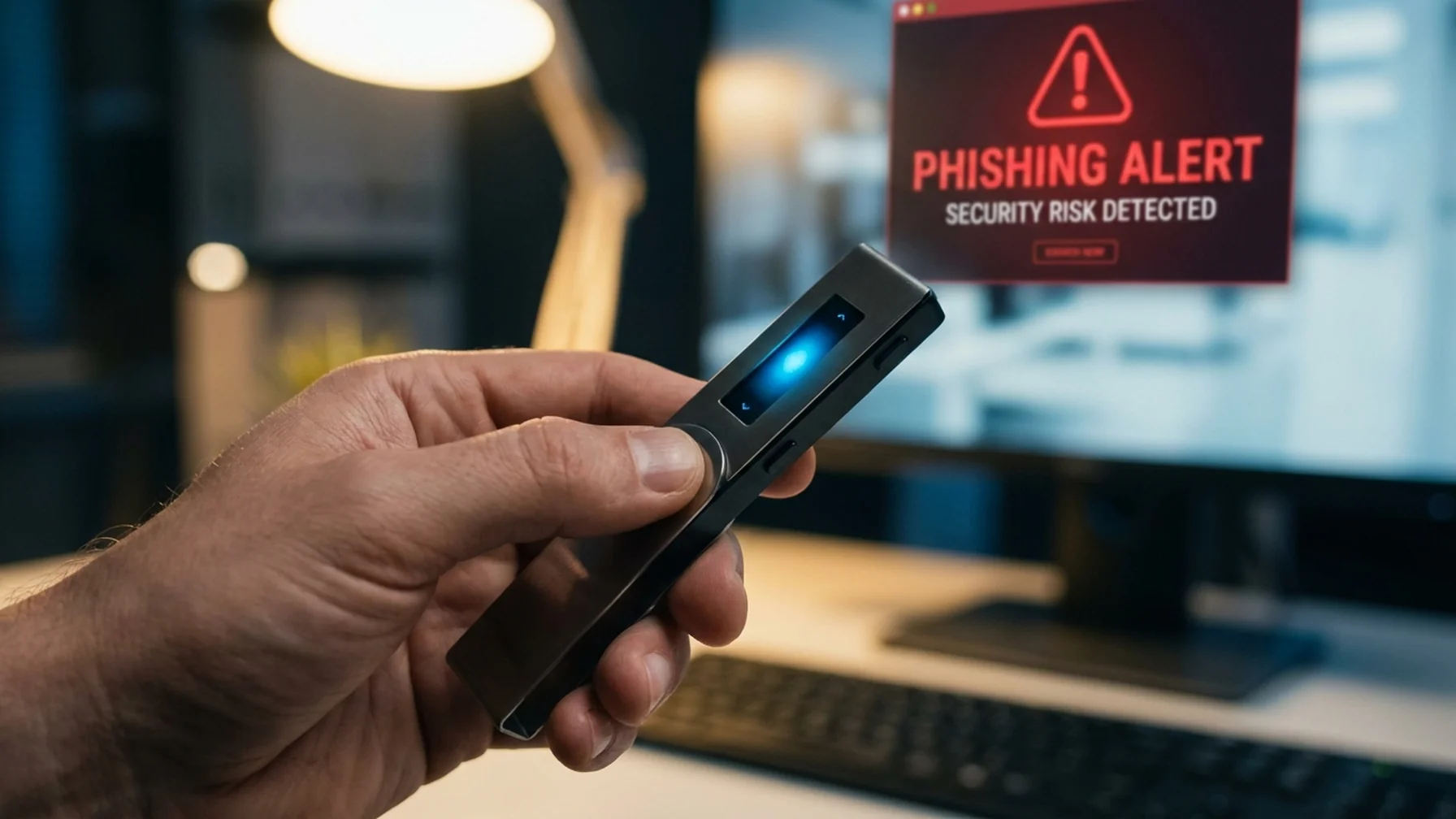
Choosing the right crypto wallet is a primary step in securing your assets. Hardware wallets, like Ledger and Trezor, provide a physical security layer by storing private keys offline, minimizing phishing risks. Software wallets such as MetaMask, Trust Wallet, and Exodus Wallet offer convenience but require vigilant security practices.
To decide which wallet suits your needs, consider the following:
| Wallet Type | Security Level | Convenience |
|---|---|---|
| Hardware Wallet | High | Moderate |
| Software Wallet | Moderate | High |
| Smart Contract Wallet | High (Customizable) | Varies |
Understanding these differences helps you select a wallet that balances security and accessibility according to your requirements.
Recognizing and Avoiding Common Phishing Tactics
Phishing scams often trick users into revealing sensitive information. Recognizing these tactics can help prevent falling victim. Below are common phishing methods and strategies to combat them:
- Fake emails from exchanges: Verify sender addresses, avoid clicking direct links.
- Impersonation of known figures: Confirm identities via official channels.
- Phishing websites: Check URLs for authenticity and security (https://).
- Malware threats: Use antivirus software and verify downloads.
Staying informed about these tactics significantly reduces phishing risks in the crypto landscape.
Implementing Security Measures to Protect Against Phishing
Adopting robust security measures is essential for safeguarding your crypto assets. Here are steps to enhance your defenses:
- Enable two-factor authentication (2FA) to add an extra security layer.
- Use a password manager for strong, unique passwords across accounts.
- Regularly update your wallet software to patch vulnerabilities.
- Employ a VPN for secure internet connections when accessing wallets.
- Consider SIM swap protection for mobile numbers linked to your accounts.
These proactive measures help create a strong defense against potential phishing attempts.
Using Seed Phrases Safely: Your Key to Recovery
Seed phrases are crucial for wallet recovery. Storing them securely is paramount. Avoid digital storage; instead, write them down and keep them in a fireproof safe or deposit box. This precaution protects against phishing attempts targeting backup information.
Enhancing Security with Multisig Wallets
Multisig wallets require multiple signatures for transactions, adding an extra security layer. This setup ensures that even if one key is compromised, funds remain secure. Multisig wallets are excellent for those seeking enhanced protection against phishing scams.
Cold Storage vs. Hot Wallets: Balancing Security and Accessibility
Cold storage involves keeping assets offline, reducing phishing risks significantly. Options include hardware or paper wallets. Hot wallets are online and more convenient for frequent transactions but are more vulnerable to phishing. Balancing security with ease of access is crucial for effective crypto management.
Custodial vs. Non-Custodial Wallets: Deciding Who Holds Your Keys
Custodial wallets manage your private keys, offering convenience but requiring trust in the provider. Non-custodial wallets give you full control, enhancing security but demanding more responsibility. Understanding who holds your keys helps mitigate phishing risks by aligning with your security preferences.
Strengthening Defenses with Wallet Encryption and 2FA
Encrypting your wallet and enabling 2FA are powerful techniques against phishing attacks. Encryption secures your wallet's contents even if accessed by a hacker. 2FA adds an extra verification step, complicating unauthorized access. Implementing these methods fortifies your defenses against phishing.
Operational Security (OpSec): Basics for Crypto Safety
Operational security involves protecting personal information from phishers. Avoid sharing sensitive data online, use unique passwords, and be cautious of sites and links you engage with. Practicing good OpSec is foundational for safeguarding your crypto transactions from phishing scams.
Conclusion: Vigilance in the Face of Phishing Threats
Phishing scams remain a significant threat in crypto. However, understanding and implementing robust security measures can protect your assets effectively. From choosing the right wallet to using encryption and 2FA, each step contributes to a secure strategy. Stay informed and vigilant to securely manage your cryptocurrency.