
Best Password Managers for Crypto: Safeguarding Your Digital Assets
Contents
Cryptocurrency security is a top priority for anyone holding digital assets. Managing passwords effectively is crucial, especially when dealing with crypto wallets, whether they're hardware or software-based. In this article, we'll explore the best password managers for crypto to help protect your investments. We’ll dive into seed phrase backups, multisig wallets, wallet recovery, and other vital security aspects.
Understanding Crypto Wallets: Hardware vs. Software
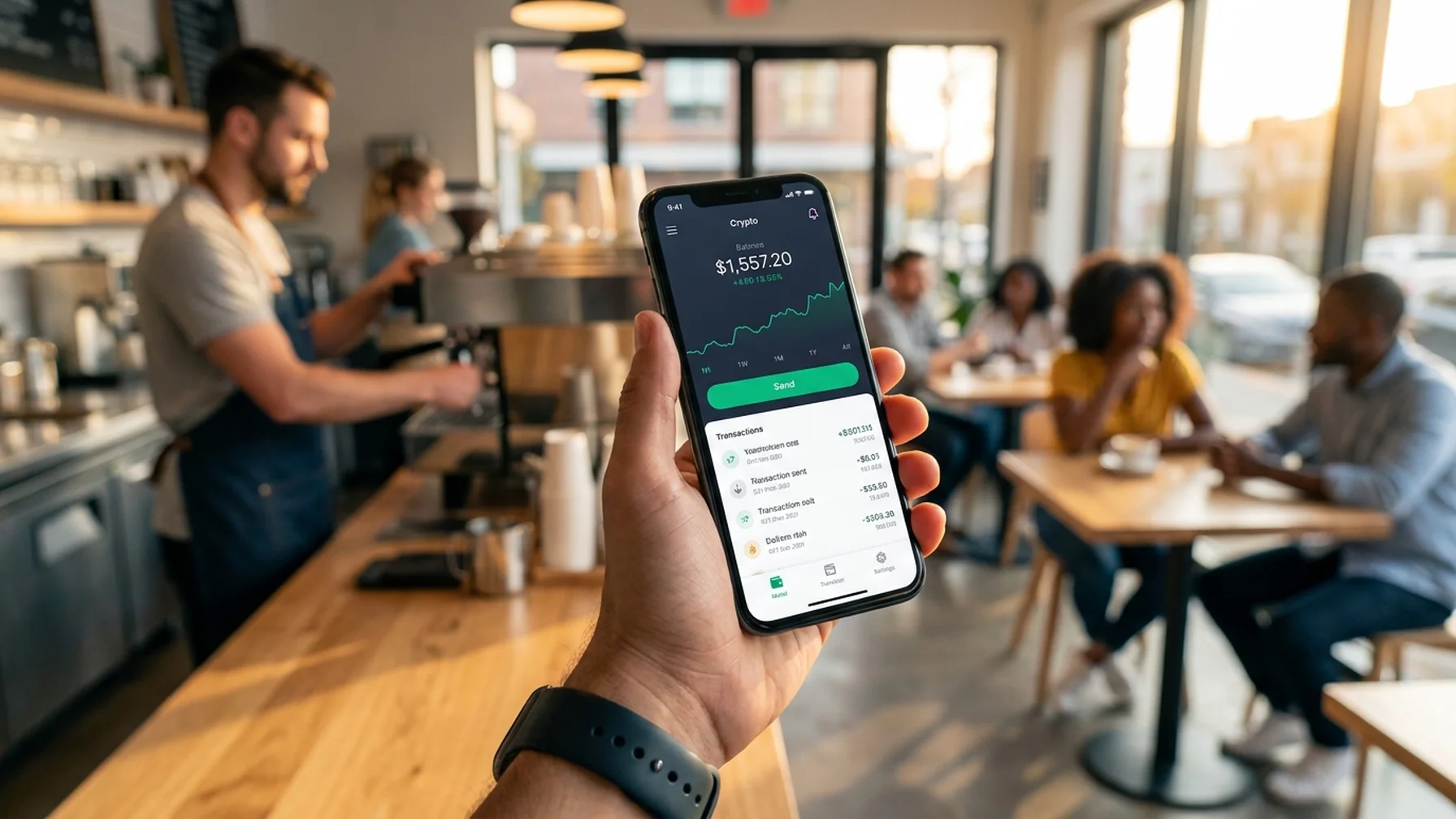
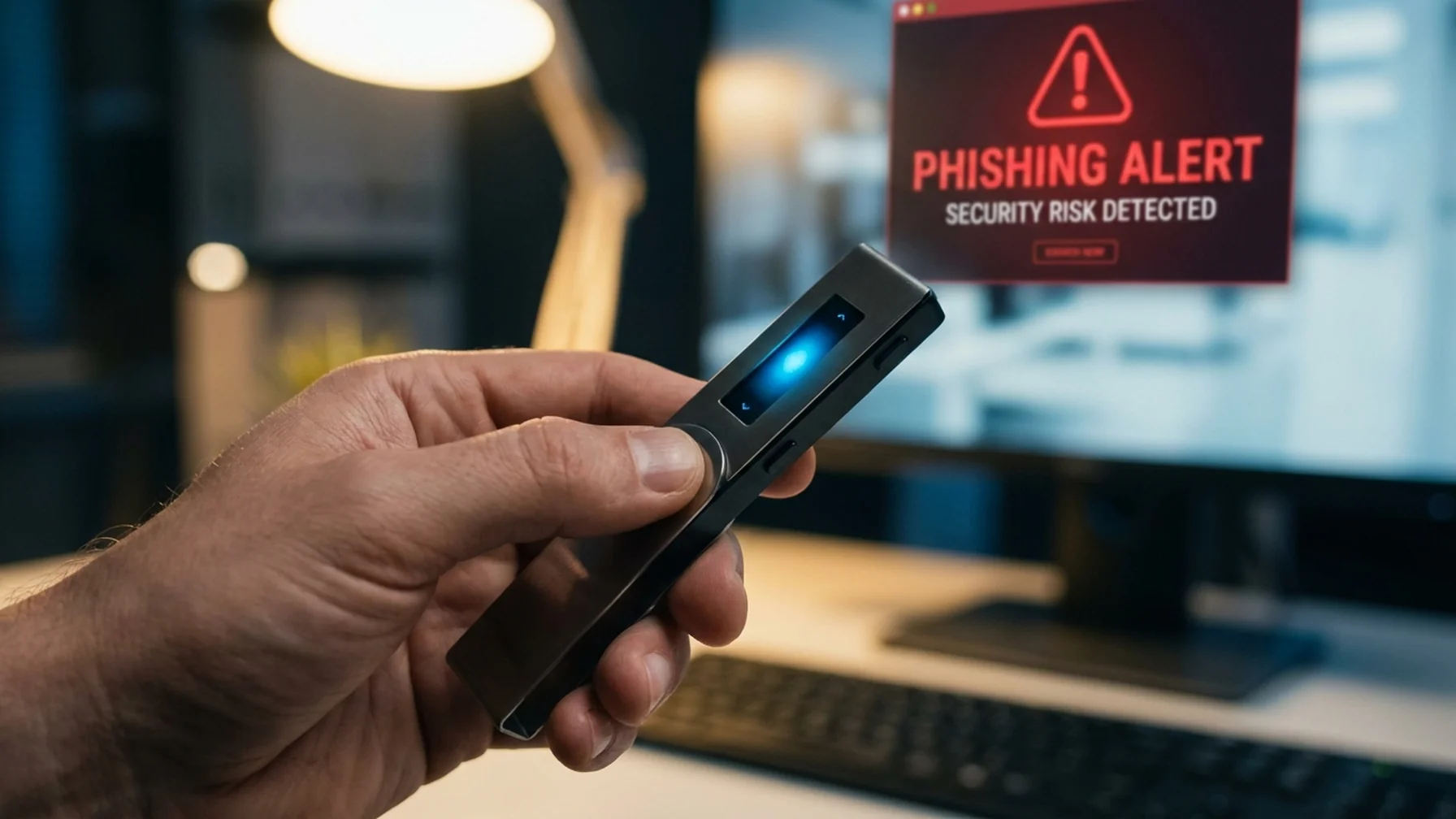
Crypto wallets come in two primary types: hardware and software. Hardware wallets, like Ledger and Trezor, are physical devices that store your private keys offline, offering enhanced security against online threats. Software wallets, such as MetaMask, Trust Wallet, and Phantom Wallet, operate on devices like smartphones and computers, providing convenience but requiring robust security measures like password managers.
Seed Phrase Backup: A Critical Component
A seed phrase is a series of words generated by your wallet to recover access. Storing this phrase securely is paramount. Password managers can encrypt and store seed phrases, providing an extra layer of security. Always back up your seed phrase in multiple secure locations, and consider using a password manager designed for crypto to manage these sensitive details.
Multisig Wallets: Adding an Extra Layer of Security
Multisig (multi-signature) wallets require multiple private keys to authorize a transaction. This adds an extra layer of security by preventing unauthorized access. Password managers can store and manage these keys, ensuring that only authorized parties can access your crypto assets.
Wallet Recovery and Security Tips
Recovery is essential in cryptocurrency management. Ensure your wallet recovery processes are secure by using password managers to store sensitive information like recovery keys. Here are some security tips to keep in mind:
- Use two-factor authentication (2FA) for all crypto-related accounts.
- Verify wallet addresses before transactions to prevent phishing scams.
- Consider VPNs for added privacy when accessing crypto accounts.
- Stay informed about opsec basics and sim swap protection to reduce risks.
Implementing these tips can significantly enhance your crypto security posture.
Comparing Crypto Password Managers
Choosing the right password manager for crypto involves evaluating features such as encryption, 2FA, and ease of use. Here’s a comparison to help you decide:
Password Manager Features Comparison
| Password Manager | Encryption | 2FA | Seed Phrase Storage | Ease of Use |
|---|---|---|---|---|
| LastPass | 256-bit AES | Yes | Yes | High |
| 1Password | 256-bit AES | Yes | Yes | High |
| Bitwarden | 256-bit AES | Yes | Yes | Moderate |
Consider your personal preferences and security needs when selecting a password manager. Each option has unique strengths that cater to different user requirements.
Cold Storage vs. Hot Wallets: Balancing Accessibility and Security
Cold storage refers to keeping your crypto offline, such as on hardware wallets or paper wallets, reducing online attack vectors. Hot wallets, like Rainbow Wallet and Exodus Wallet, offer ease of access for everyday transactions but require rigorous security practices, including strong passwords managed by reliable password managers.
Custodial vs. Non-Custodial Wallets: Control and Responsibility
Custodial wallets are managed by third parties, like exchanges, which hold your private keys. Non-custodial wallets, such as smart contract wallets and HD wallets, give you full control. While non-custodial wallets offer more security, they also come with the responsibility of managing your passwords and keys effectively.
Enhancing Crypto Security with Password Managers
Password managers are indispensable tools for crypto users. They not only store complex passwords but also enhance security through features like 2FA, encrypted seed phrase backups, and secure note storage. By integrating a password manager into your crypto management routine, you can significantly mitigate risks associated with password theft and unauthorized access.
In conclusion, securing your crypto assets requires a multi-faceted approach. By understanding the nuances of different wallet types and leveraging password managers, you can create a robust security framework that protects your digital investments against potential threats.