How to Send Crypto for Purchases: A Comprehensive Guide
Contents
Sending crypto for purchases is becoming increasingly popular as a decentralized, fast, and secure way to transact. This method bypasses traditional financial systems, making it attractive to both individuals and businesses. However, it's essential to understand the process, choose the right wallet, and implement security measures. This guide will walk you through the necessary steps and considerations to ensure your crypto transactions are safe and efficient.
Choosing the Right Wallet for Your Needs
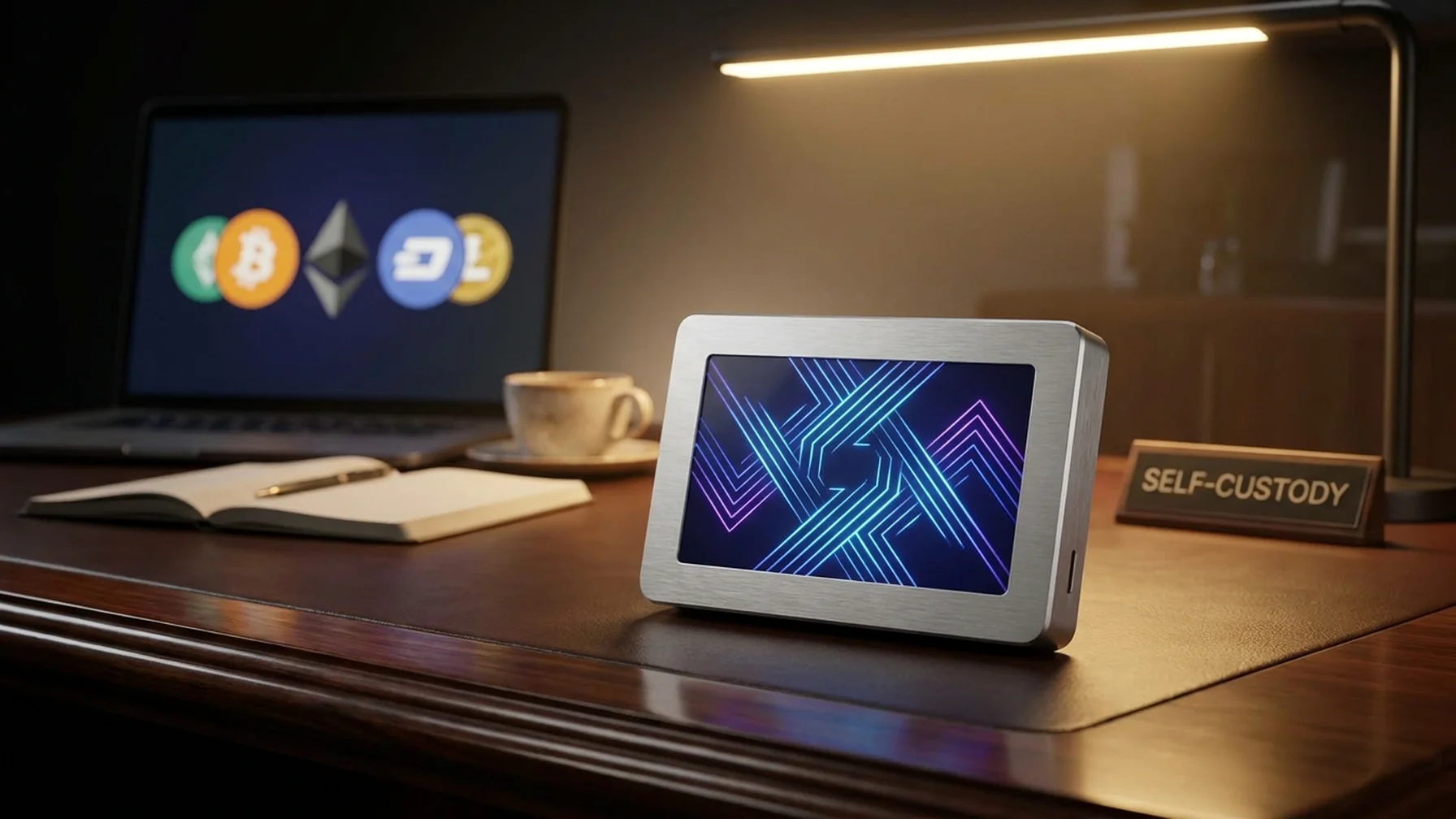
Selecting the right wallet is crucial when sending crypto for purchases. Different wallets offer varied levels of security, convenience, and specific use-case benefits. Consider your transaction frequency and security needs when making a choice.
Comparison of Wallet Features and Benefits
Here's a table summarizing the key features and benefits of different wallet types:
This table outlines key differences in wallet features, helping you make informed decisions based on security needs and how often you plan to make transactions. Each wallet type offers distinct advantages, so the best option will depend on what you prioritize in your crypto activities.
| Wallet Type | Security Level | Convenience | Best For |
|---|---|---|---|
| Hardware Wallet | High | Low | Long-term storage |
| Software Wallet | Medium | High | Frequent transactions |
| Hot Wallet | Medium | High | Daily use |
| Cold Storage | Very High | Very Low | Large holdings |
| Custodial Wallet | Varies | High | Beginners |
| Non-Custodial Wallet | High | Medium | Privacy-conscious users |
Each wallet type offers unique benefits. For instance, hardware wallets provide high security, while software wallets are great for frequent transactions. Consider what aligns with your needs before making a decision.
Steps for Sending Crypto for Purchases
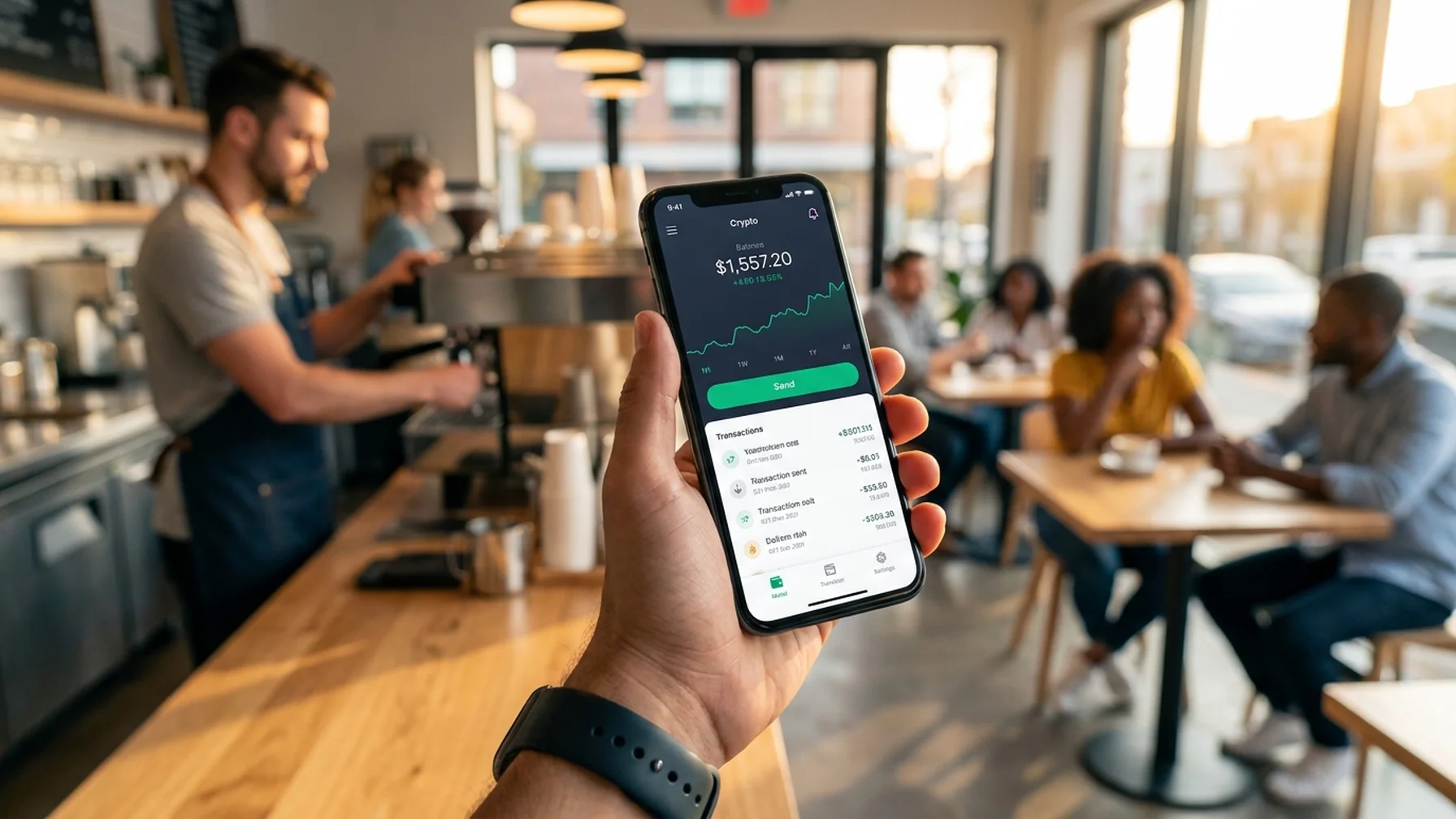
Sending cryptocurrency for purchases can be straightforward if you follow these steps:
- Select a compatible cryptocurrency wallet for your digital assets.
- Transfer the required amount of cryptocurrency to your wallet.
- Find a merchant or platform that accepts your chosen cryptocurrency and follow their instructions to complete the transaction.
These steps will help you make purchases using cryptocurrency efficiently, broadening your payment options.
Key Considerations When Sending Crypto
Before making crypto purchases, consider these important factors to ensure a smooth transaction:
- Confirm the merchant accepts cryptocurrency as payment.
- Check the transaction fees for sending crypto.
- Monitor the volatility of the cryptocurrency you're using.
By keeping these points in mind, you can minimize risks and enjoy a smoother transaction process.
Understanding Wallet Security: Seed Phrase and Multisig
A seed phrase is essential for wallet recovery. It acts as a backup, allowing you to restore your wallet if you lose access. Always store your seed phrase securely, away from digital threats. For instance, writing it down and storing it in a safe is a practical approach many users adopt to prevent loss due to technological failures.
Multisig wallets require multiple signatures before a transaction can be authorized. This adds an extra layer of security, especially for high-value transactions, making it a reliable choice for businesses or joint accounts.
Hot Wallets and Cold Storage: Balancing Access and Security
Hot wallets are connected to the internet, providing easy access for regular transactions. They are convenient but more exposed to cyber threats. Use strong passwords and two-factor authentication (2FA) to bolster security.
Cold storage, including paper wallets and brain wallets, keeps your crypto offline. This method is highly secure but less convenient for frequent transactions. Consider using cold storage for long-term holdings and hot wallets for day-to-day spending.
Custodial vs. Non-Custodial Wallets: Control vs. Convenience
Custodial wallets are managed by third parties, like exchanges, which hold your private keys. These are convenient but mean you relinquish some control over your crypto.
Non-custodial wallets, such as HD wallets, give you full control over your private keys. While this requires a deeper understanding of security practices, it provides greater autonomy and is generally preferred by privacy-conscious users.
Smart Contract Wallets: Enhanced Functionality
Smart contract wallets offer programmable features, allowing for advanced transaction rules and automation. This can streamline sending crypto for purchases by automating recurring payments or setting spending limits.
However, be cautious and verify wallet addresses before sending funds, as smart contracts are immutable and errors can be costly.
Enhancing Security: Wallet Encryption and 2FA
Encrypting your wallet adds a critical layer of protection. Use a strong, unique password and consider employing a password manager for safe storage. Setting up 2FA further secures your wallet by requiring a second form of verification.
Preventing Common Threats: Phishing and SIM Swap Protection
Phishing attacks often target crypto users. Always verify the authenticity of websites and avoid clicking on suspicious links.
SIM swap protection is vital as it prevents unauthorized access to your mobile number, which can be used to reset passwords. Contact your service provider to enable additional security features.
Common Mistakes: Avoiding Pitfalls in Crypto Transactions
Even experienced users can fall into common traps when sending crypto for purchases. One frequent mistake is sending funds to the wrong wallet address. Always double-check the recipient's address before confirming a transaction.
Another common error is neglecting to secure your seed phrase. Failing to store this critical backup securely can result in loss of access to your funds.
Lastly, choosing convenience over security can lead to vulnerabilities. Always weigh the trade-offs between convenience and security to protect your digital assets effectively.