Understanding Hardware vs Software Crypto Wallets
Contents
As the popularity of cryptocurrencies skyrockets, the debate between hardware and software crypto wallets becomes crucial for users seeking secure and efficient options. This article explores the differences, benefits, and potential security risks associated with these wallet types, helping you make informed decisions about crypto asset management.
Hardware Crypto Wallets: The Cold Storage Solution
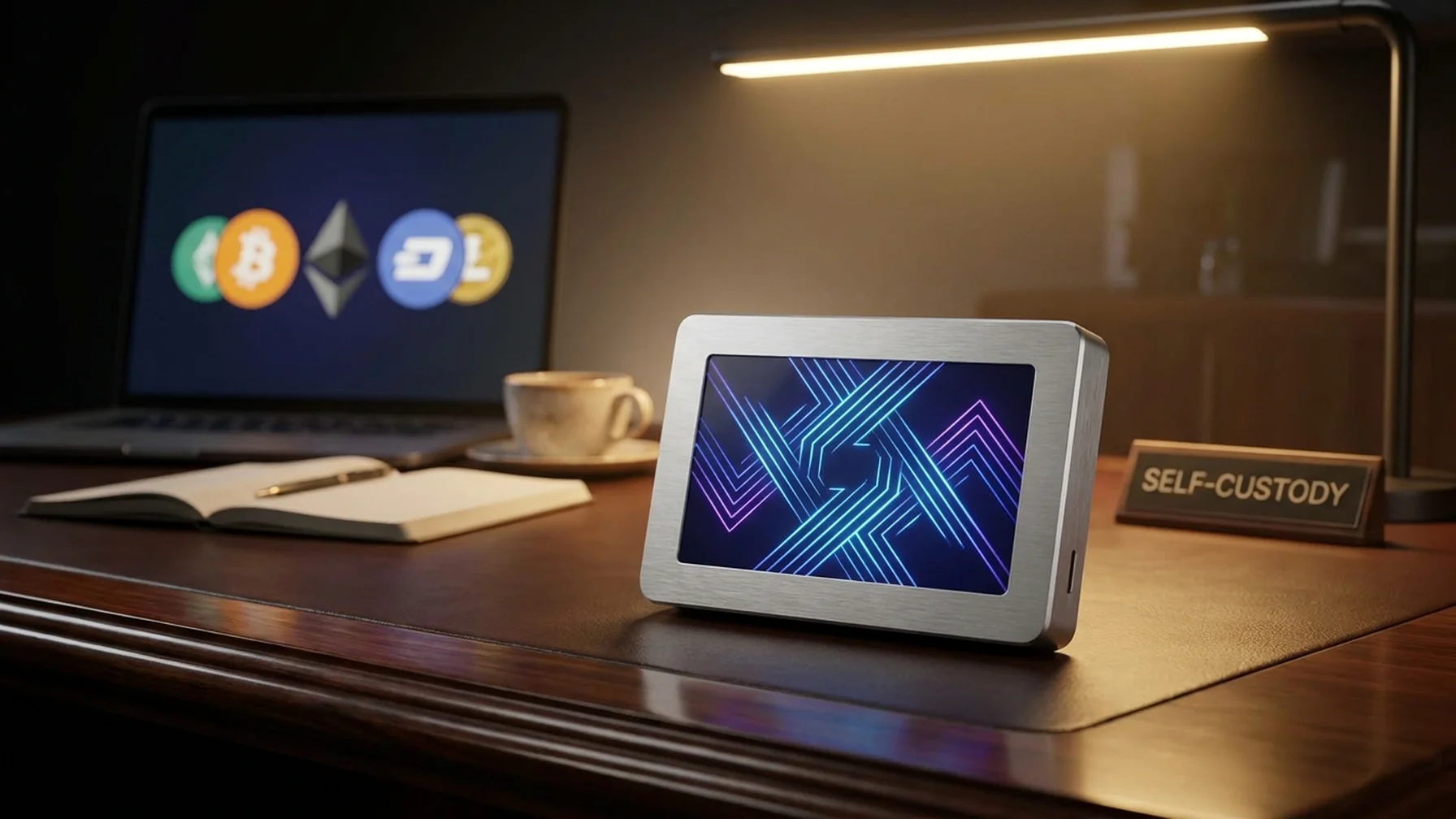
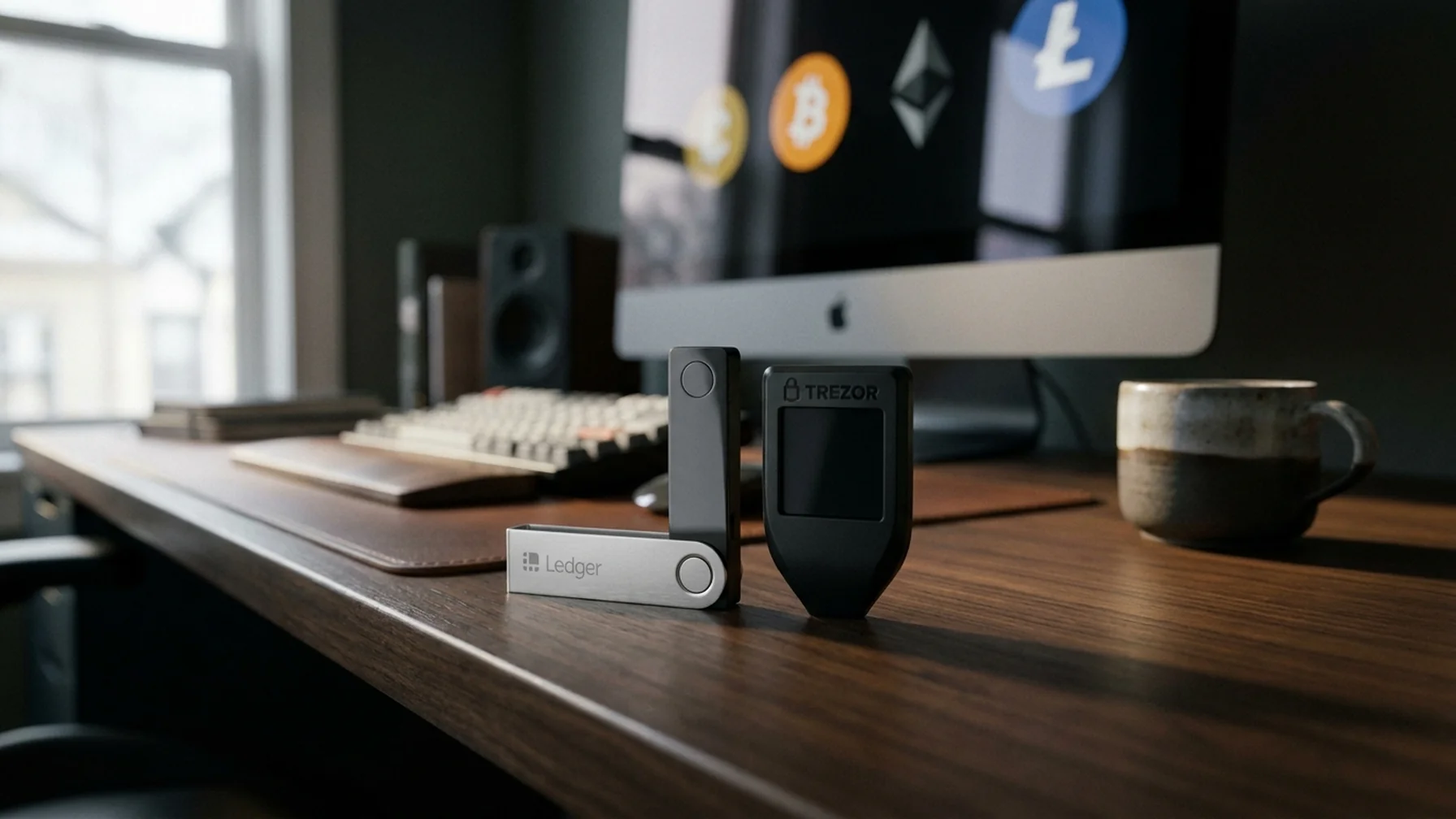
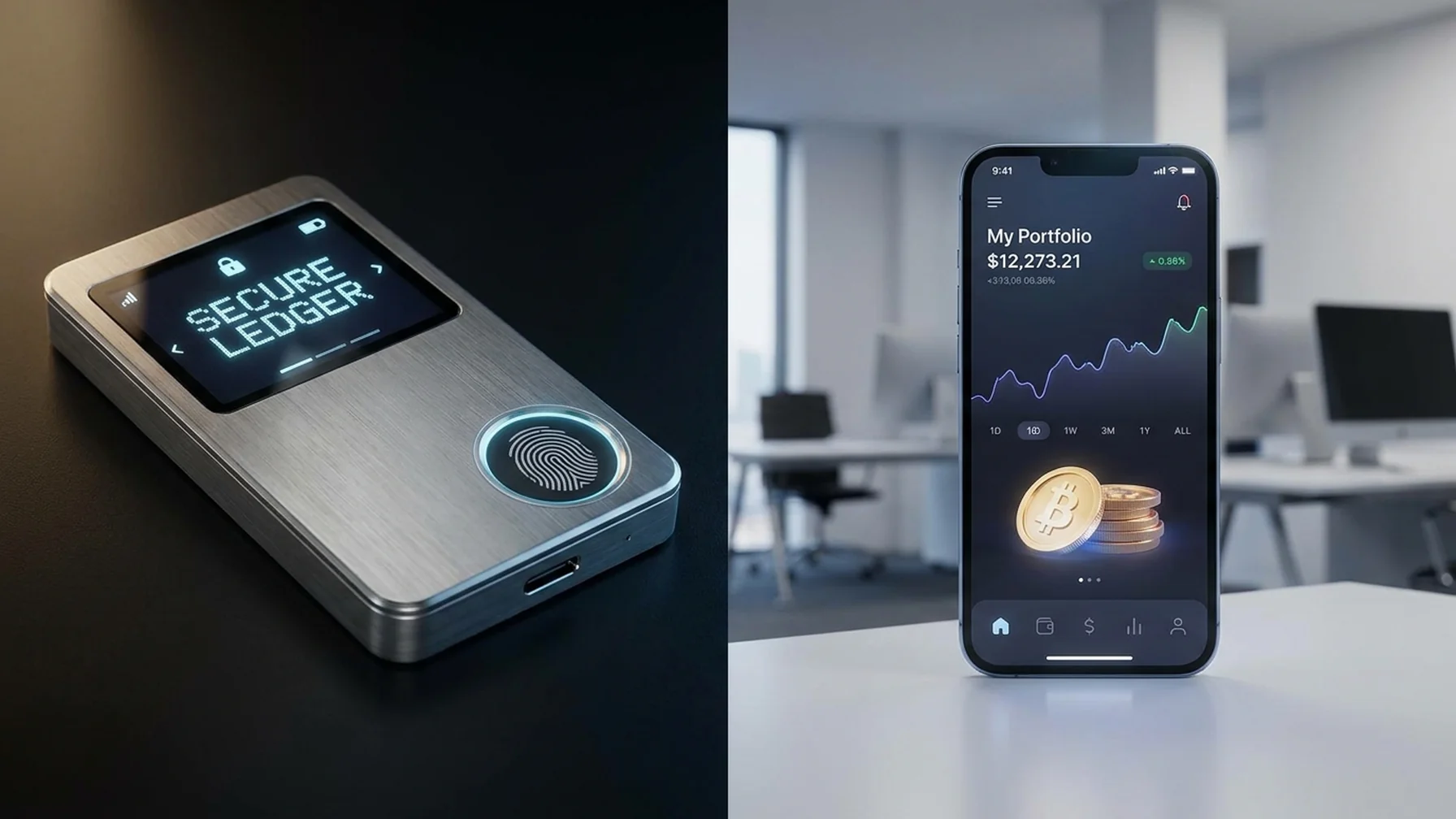
Hardware wallets, often referred to as "cold storage," are physical devices designed to store cryptocurrencies offline. By keeping private keys away from the internet, these wallets offer exceptional security against online threats. Popular examples include Ledger and Trezor devices.
One of the main advantages of hardware wallets is their immunity to computer viruses that can steal data. They employ secure elements and require physical confirmation of transactions, making unauthorized access significantly more challenging. However, users must safeguard their recovery seed phrases, as losing them can result in lost access to funds.
Software Crypto Wallets: Convenience Meets Accessibility
Software wallets, or "hot wallets," are applications installed on smartphones or computers. These wallets offer immediate access to funds, enabling quick transactions and crypto purchases. Examples include MetaMask, Trust Wallet, Phantom Wallet, Rainbow Wallet, and Exodus Wallet.
These wallets are generally more user-friendly and provide easy integration with decentralized apps. However, being constantly connected to the internet makes them more susceptible to hacking attempts. Ensuring wallet security involves using strong passwords, enabling 2FA, and keeping software updated.
Key Considerations: Hardware vs Software Crypto Wallets
When choosing between hardware and software crypto wallets, consider the following factors:
- Security: Hardware wallets provide superior protection against online threats, while software wallets are more vulnerable.
- Accessibility: Software wallets offer greater convenience for daily transactions, whereas hardware wallets require physical access.
- Cost: Hardware wallets involve an upfront purchase, while software wallets are typically free.
- Backup: Both types require secure seed phrase backups and wallet recovery methods to prevent loss of access.
Your choice will depend on your specific needs and how you plan to use your cryptocurrencies. For long-term storage, hardware wallets are often recommended, while software wallets suit frequent transactions.
Advanced Wallet Options and Security Measures
Beyond basic wallet types, users can explore advanced options like multisig wallets and smart contract wallets. Multisig wallets require multiple signatures for a transaction, increasing security. Smart contract wallets offer programmable features for automated transactions.
To further secure your crypto assets, consider these security tips:
- Use password managers to create and store strong, unique passwords.
- Employ a VPN for crypto activities to enhance privacy.
- Understand opsec basics to protect your digital identity.
- Guard against SIM swap attacks by securing your mobile number.
- Verify wallet addresses before transactions to avoid scams.
- Regularly update your wallet software to patch vulnerabilities.
These strategies can significantly reduce the risk of unauthorized access and potential losses.
Comparing Popular Crypto Wallets
Choosing the right wallet often involves comparing popular options available in the market. Here’s a quick look at some well-known wallets:
| Wallet | Type | Features |
|---|---|---|
| Ledger | Hardware | High security, supports multiple coins |
| Trezor | Hardware | User-friendly, open-source |
| MetaMask | Software | Browser extension, dApp integration |
| Trust Wallet | Software | Mobile app, easy-to-use |
| Exodus Wallet | Software | Desktop and mobile, built-in exchange |
Each wallet offers unique features tailored to different user needs, whether it’s security, ease of use, or additional functionalities.
Special Wallet Types: Paper and Brain Wallets
For those interested in alternative options, paper and brain wallets present intriguing possibilities. A paper wallet involves printing your private and public keys onto paper, creating a physical backup. Brain wallets, on the other hand, rely on a memorized passphrase to generate keys.
While these methods offer offline security, they come with their own risks. Paper wallets can be easily lost or damaged, and brain wallets are vulnerable if the passphrase is weak or forgotten.
Ensuring Wallet Security and Best Practices
Securing your crypto wallet involves a combination of best practices. Regularly update your wallets and enable encryption. Implement two-factor authentication (2FA) where possible, and remain vigilant against phishing attacks. Using a secure device and verifying wallet addresses before transactions are essential steps to safeguard assets.
By understanding the nuances of hardware and software crypto wallets and applying robust security measures, you can confidently manage your digital assets and protect them from potential threats.