Optimizing Wallet Checkout Flow in Crypto Transactions
Contents
In cryptocurrency transactions, optimizing the wallet checkout flow is essential for both security and user experience. Whether using a hardware or software wallet, improving this flow can make transactions faster and safer. This guide walks you through key aspects of the wallet checkout process, focusing on crucial security measures and effective practices. An optimized wallet checkout flow enhances transaction speed and minimizes risks, making the crypto experience more secure and efficient. As digital currencies become more popular, understanding how to improve this process is increasingly important.
Importance of Seed Phrase Backup
Backing up your seed phrase is critical. This unique set of words allows you to recover your wallet if it's lost or damaged. Store your seed phrase in multiple secure locations, and never share it with anyone. Consider using a secure vault or a fireproof safe to store physical copies. An example of seed phrase mishandling can be seen in a case where a user saved their seed phrase in a file on their computer, which was later hacked, resulting in a loss of funds. This underscores the importance of secure offline storage.
Choosing Between Hardware and Software Wallets
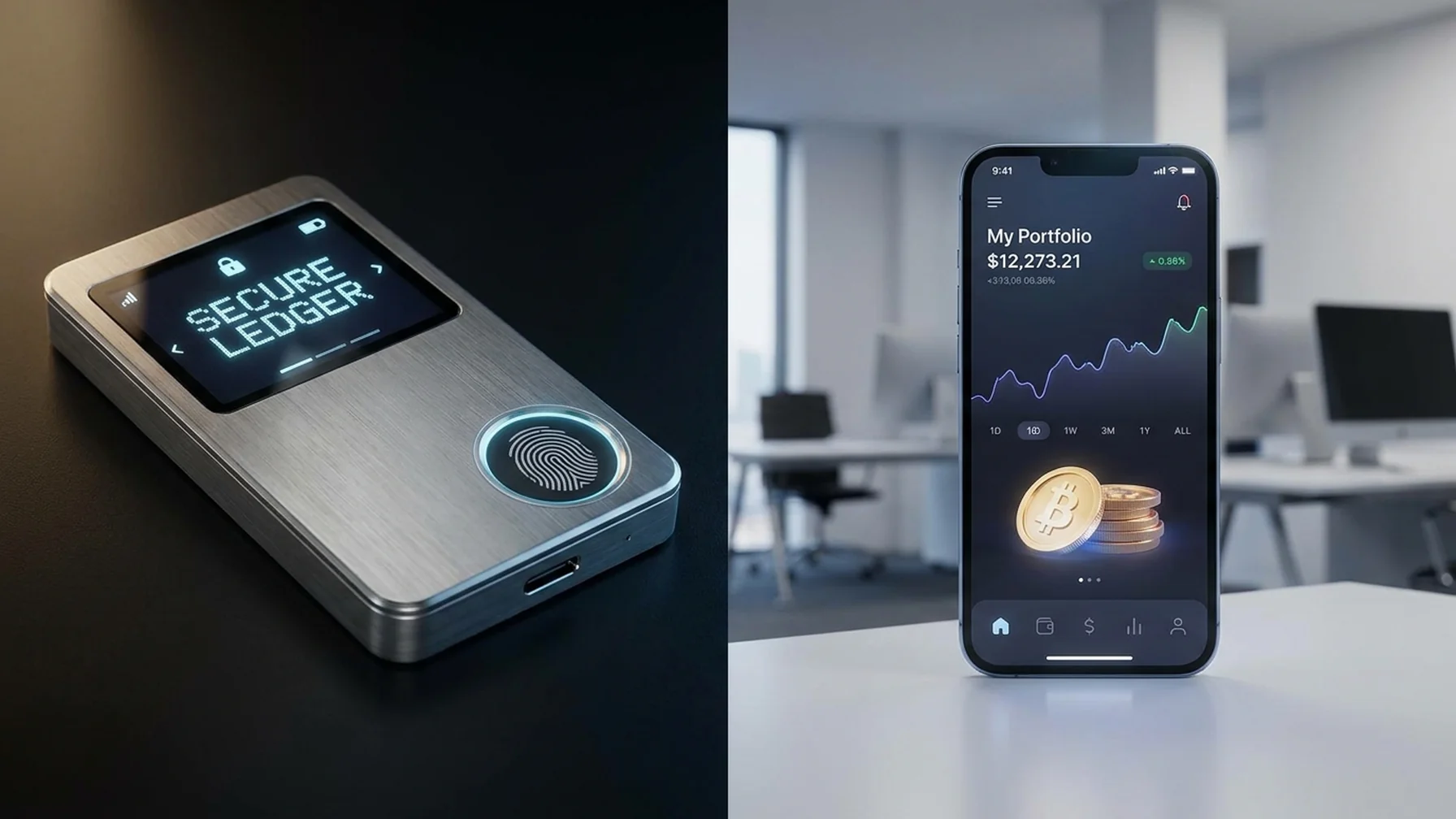
When selecting a crypto wallet, you have two primary choices: hardware wallets and software wallets. Hardware wallets like Ledger and Trezor offer increased security by storing your private keys offline. They are an excellent choice for those prioritizing security over convenience. On the other hand, software wallets such as MetaMask, Trust Wallet, Phantom Wallet, Rainbow Wallet, and Exodus Wallet offer more accessibility, allowing quick transactions but with slightly higher risk.
Consider, for example, a user who travels frequently and prefers quick access to their funds. A software wallet like MetaMask, which integrates well with various platforms, would be ideal for them. Conversely, a long-term investor holding significant crypto assets might prefer a hardware wallet like Trezor for its enhanced security features, despite the less convenient access.
Strategies for Optimizing Wallet Checkout Flow
The following table outlines key strategies for optimizing the wallet checkout flow, which can enhance user experience and increase conversion rates. Each method focuses on improving efficiency and reducing friction during the checkout process.
Key Strategies for Optimizing Wallet Checkout Flow
| Strategy | Description |
|---|---|
| Streamlined Interface | Simplify the user interface to reduce clutter and make navigation intuitive. |
| Auto-Fill Capabilities | Implement auto-fill options to speed up the entry of billing and shipping information. |
| Progress Indicators | Show users their progress through the checkout process to keep them engaged. |
| Mobile Optimization | Ensure the checkout flow is fully optimized for mobile devices for on-the-go shoppers. |
| Multiple Payment Options | Offer various payment methods to cater to different customer preferences. |
By implementing these strategies, businesses can significantly enhance their wallet checkout flow, leading to quicker transactions and improved customer satisfaction. An optimized experience fosters loyalty and encourages repeat purchases, making it a vital consideration for any online retailer.
Enhancing Security with Multisig Wallets
Multisig wallets require multiple signatures to authorize a transaction, adding an extra layer of security. It's particularly useful for businesses or joint accounts, ensuring that no single party can make a transaction without consensus. For instance, a startup using a multisig wallet can ensure that at least two out of three founders must approve any transaction, thereby preventing unauthorized fund transfers and promoting accountability.
Understanding Wallet Recovery and Security Tips
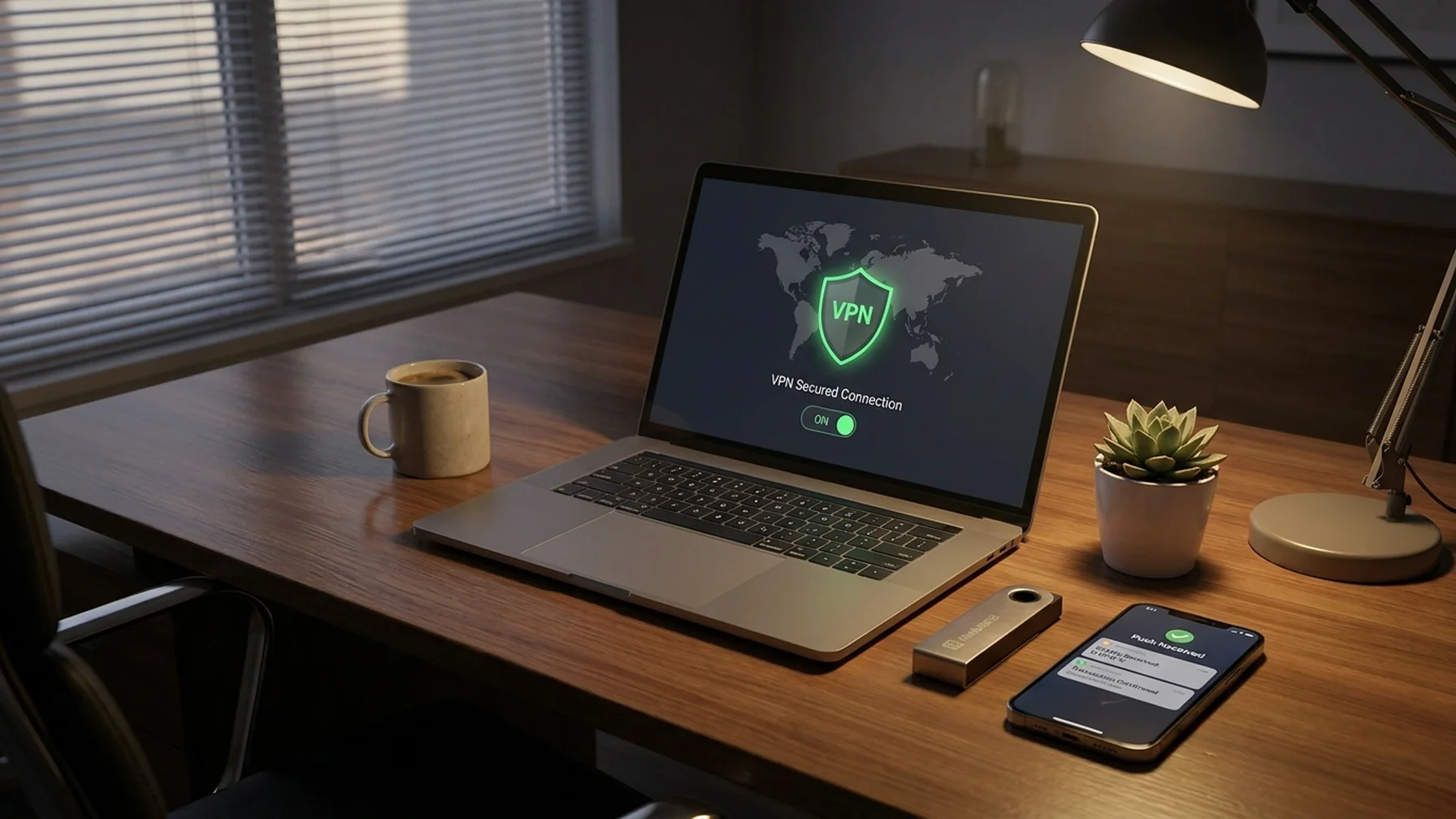
Whether you use a hot wallet, cold storage, or a smart contract wallet, knowing how to recover your wallet is essential. Regularly update your password and enable two-factor authentication (2FA) for added security. Use a password manager to handle complex passwords and a VPN for crypto transactions to protect your data. A user who frequently updates their security settings and employs 2FA can avoid unauthorized access even if their password is compromised.
Custodial vs. Non-Custodial Wallets
In custodial wallets, a third party holds your private keys, simplifying recovery but reducing your control. Non-custodial wallets give you full control over your keys, enhancing security but requiring careful management. Choose based on your comfort with security responsibilities. For instance, a casual user who prefers ease of use might opt for a custodial wallet like Coinbase, while an experienced trader might select a non-custodial option like Electrum for greater control and security.
Verifying Wallet Addresses and Avoiding Phishing
Before sending crypto purchases, always verify the wallet address. A minor error can lead to lost funds. Be vigilant against phishing scams by confirming all transaction details and avoiding suspicious links. A common mistake involves copying addresses from unverified sources, leading to phishing attacks. Always double-check addresses against known, safe sources to prevent such issues.
Exploring Wallet Types: Paper, Brain, and HD Wallets
Paper wallets are physical copies of your public and private keys, suitable for cold storage but risky if lost. Brain wallets use a passphrase you memorize, but they can be vulnerable to hacking. HD wallets (Hierarchical Deterministic) generate a new key for each transaction, offering enhanced privacy. For example, a user who prefers not to rely on physical devices might choose an HD wallet for its privacy and ease of use, while someone wanting a tangible backup might create a paper wallet.
Encryption and 2FA Setup
Encrypt your wallet to protect against unauthorized access. Setting up 2FA adds an extra barrier. Both measures are crucial for safeguarding your crypto assets. Regularly review and update your security settings. A case study of a company that experienced a breach due to outdated security protocols highlights the importance of regular updates and robust encryption methods.
Operational Security (OpSec) Basics
Maintaining strong operational security (OpSec) is vital for protecting your crypto assets. Consider the following practices:
- Use strong, unique passwords for each account.
- Enable SIM swap protection with your mobile carrier.
- Regularly monitor transaction activity for suspicious behavior.
Following these OpSec basics can significantly reduce the risk of unauthorized access to your crypto assets. By diligently applying these basics, such risks can be minimized.
Paying with Crypto Wallets and Checkout Flow Optimization
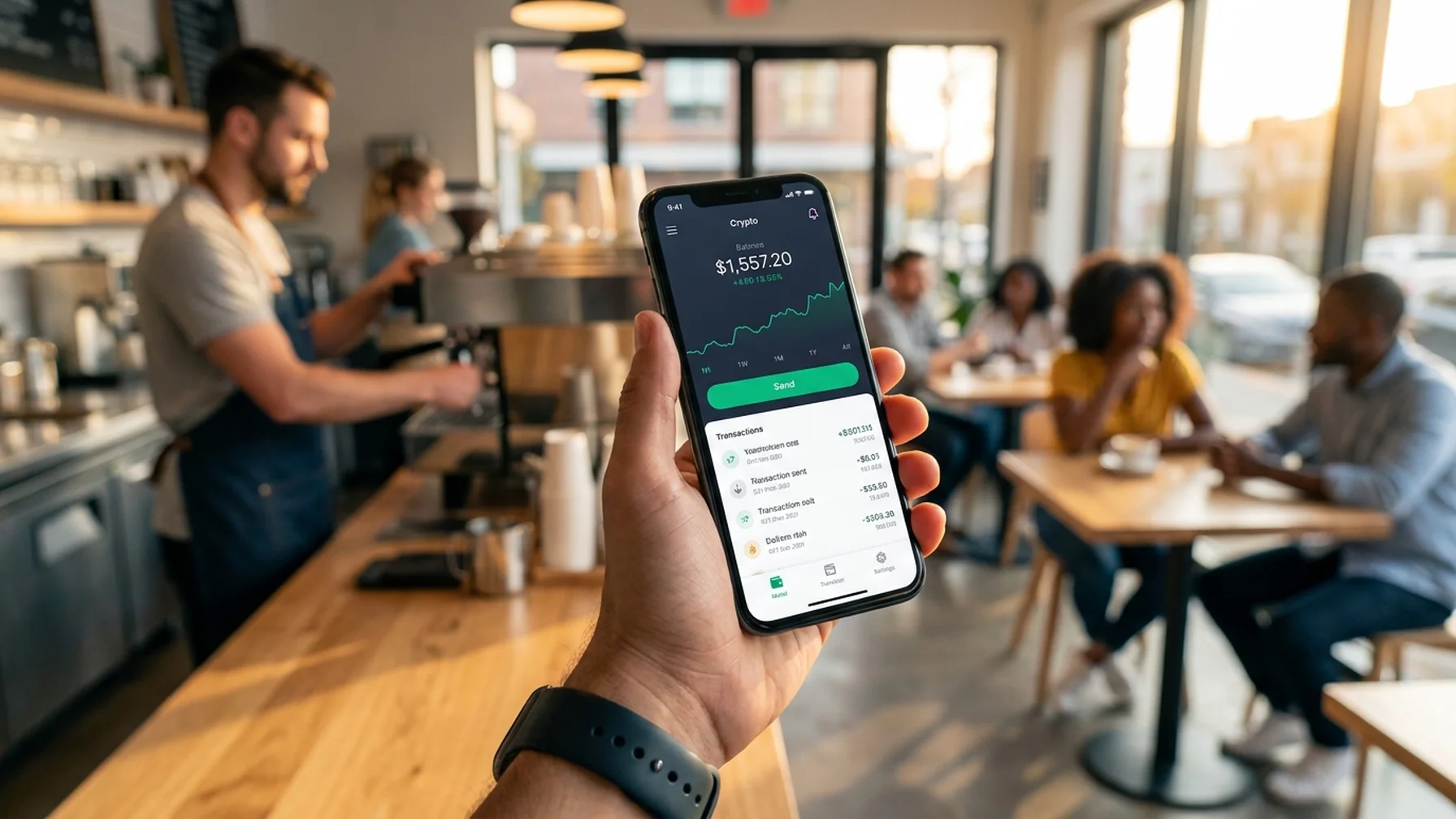
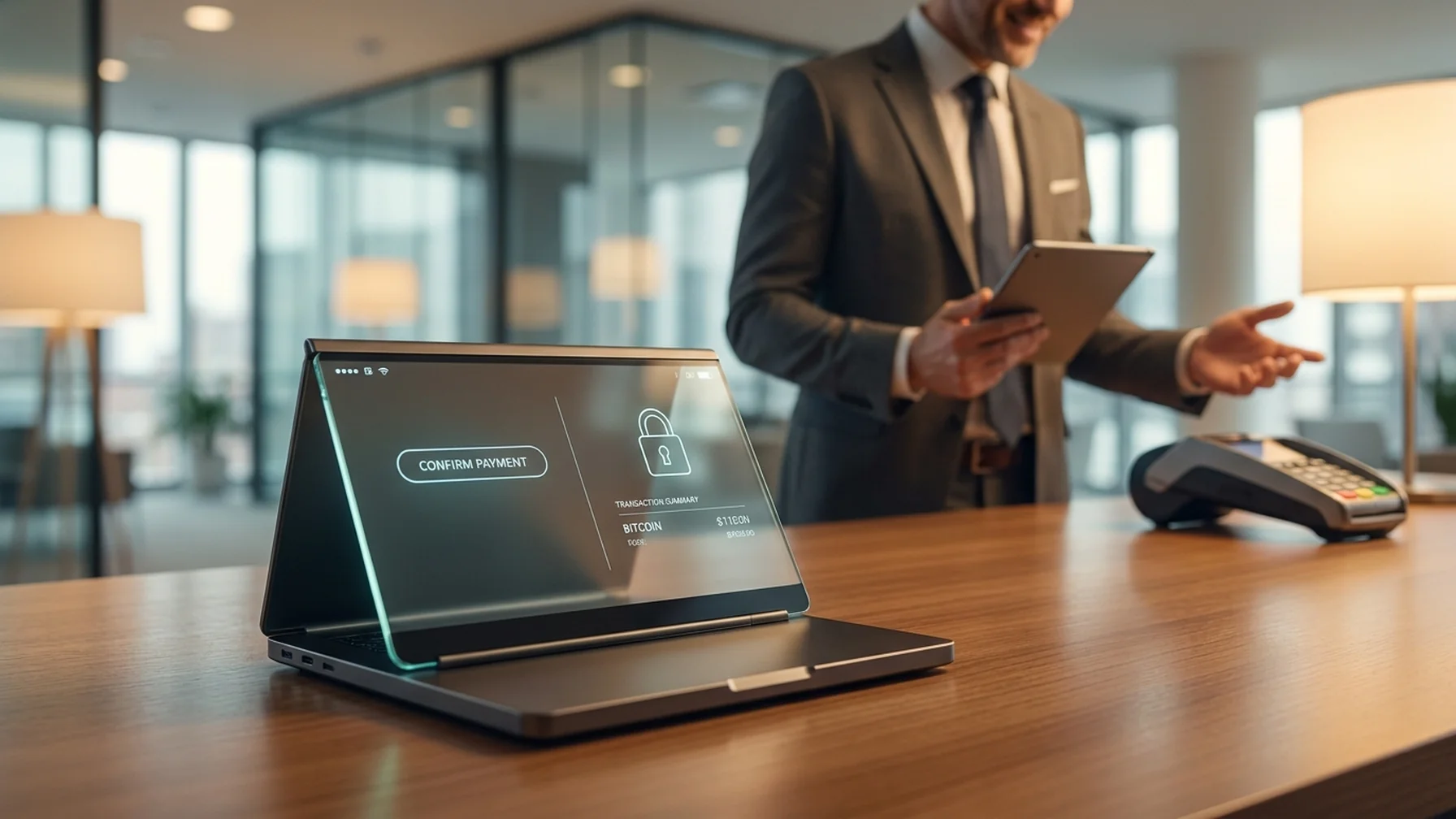
When paying with crypto wallets, a well-optimized checkout flow enhances the user experience. Ensure your wallet is updated, verify recipient addresses, and double-check transaction fees. By optimizing these steps, you minimize errors and ensure smooth transactions. For instance, a business that routinely updates their wallet software and follows thorough verification processes can significantly reduce transaction errors and enhance customer satisfaction.
Optimizing your wallet checkout flow involves careful attention to security and user experience elements. Whether you're using a Ledger, Trezor, or a software wallet like MetaMask, understanding these facets will help you make secure and efficient crypto transactions.
By focusing on these strategies and best practices, you can significantly enhance your crypto transaction experience, ensuring both security and efficiency.