Secure Hot Crypto Wallets: A Comprehensive Guide
Contents
Secure hot crypto wallets are crucial for managing and protecting your digital assets. These wallets provide quick access to your cryptocurrencies but require robust security measures to prevent unauthorized access. This guide explores various aspects of securing hot crypto wallets, including advanced security tips and comparisons with cold storage solutions.
Understanding Hot Wallets and Cold Storage
Hot wallets are connected to the internet, offering convenience for everyday transactions. Examples include software wallets like MetaMask, Trust Wallet, and Phantom Wallet. Cold storage, such as hardware wallets (Ledger, Trezor) or paper wallets, keeps your crypto offline, providing enhanced security against hacks. Understanding the difference helps determine which suits your needs.
Implementing Multi-Signature (Multisig) Wallets
Multisig wallets require multiple private keys to authorize a transaction, adding an extra layer of security. This is particularly useful for shared accounts or high-value holdings. Implementing a multisig wallet involves several key steps to ensure effective setup and security:
- Choose a multisig wallet provider that supports your preferred cryptocurrencies.
- Set the number of required signatures and total signers for your wallet.
- Distribute private keys among trusted parties or devices.
- Test the multisig setup with a small transaction to ensure functionality.
Below is a comparison of popular multisig wallet providers based on ease of use and supported features.
Comparison of Popular Multisig Wallet Providers
| Provider | Ease of Use | Supported Features |
|---|---|---|
| Provider A | Easy | Supports multiple cryptocurrencies, user-friendly interface |
| Provider B | Moderate | Enhanced security features, customizable settings |
| Provider C | Advanced | Comprehensive support for various digital assets |
Choosing the right provider depends on your security needs and familiarity with crypto management. Ensure you understand the requirements and features before committing to a specific multisig wallet.
Choosing Between Custodial and Non-Custodial Wallets
Custodial wallets are managed by third parties, offering convenience but less control over your assets. Non-custodial wallets like Exodus Wallet and Rainbow Wallet give you full control, but also the responsibility to manage your security, including seed phrases and wallet recovery.
Enhancing Security with Seed Phrase Backups
Seed phrases are crucial for wallet recovery. Always store your seed phrase offline in a secure location. Avoid digital storage and never share it with anyone. Consider using multiple backups to ensure you can recover your wallet if needed.
Smart Contract Wallets and Address Verification
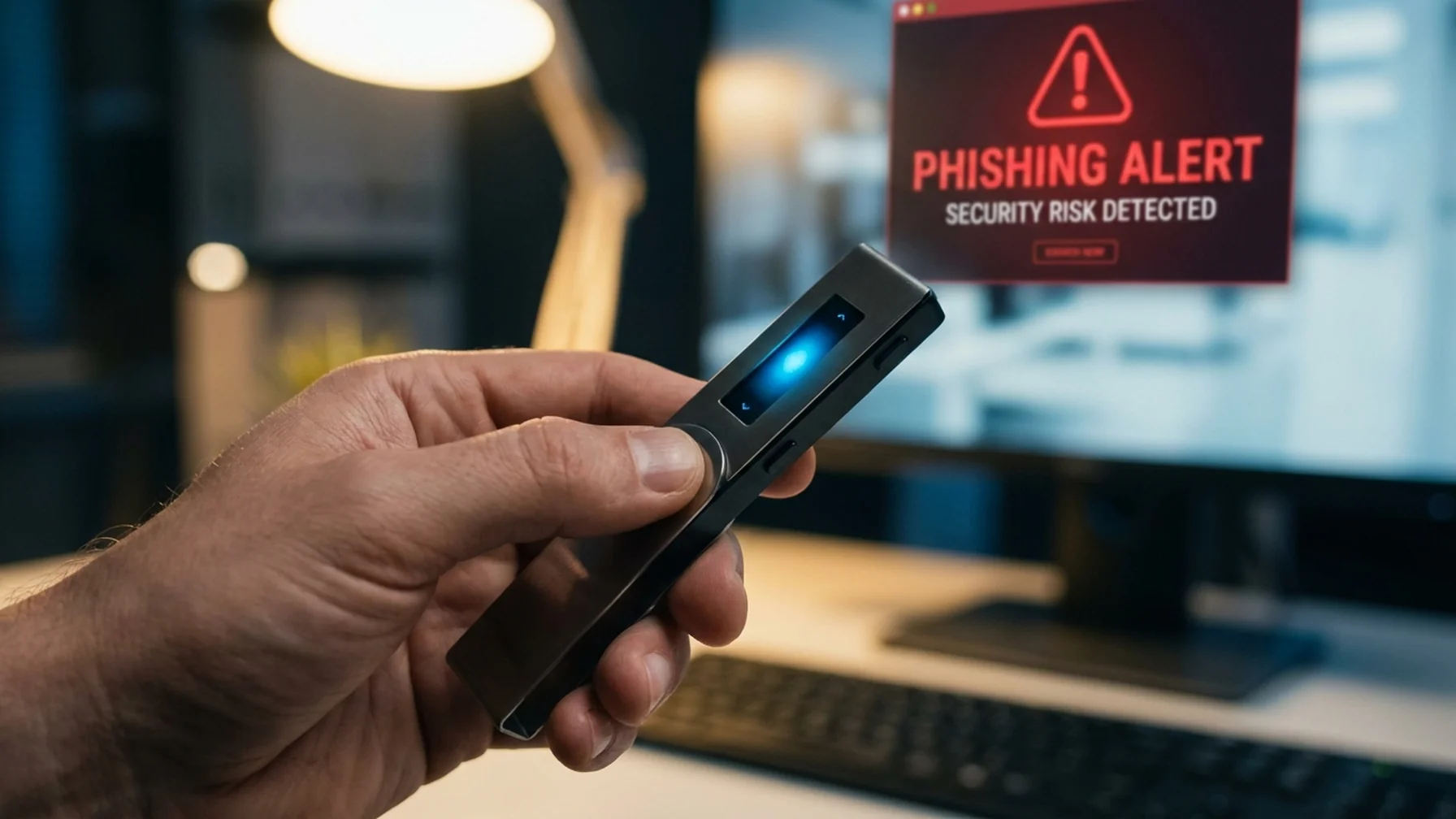
Smart contract wallets offer programmable security features, like transaction limits or time locks. Always verify wallet addresses before sending crypto to avoid phishing scams. Double-check the address, especially when copying it from emails or messages.
Hardware Wallets: Ledger vs. Trezor
Ledger and Trezor are popular hardware wallet options, providing excellent security for long-term storage. Both offer robust encryption and secure chip technology. Choose based on your preference for user interface and supported cryptocurrencies.
Exploring Wallet Derivation and HD Wallets
HD wallets (Hierarchical Deterministic wallets) generate a tree of keys from a single seed phrase, simplifying backup and management. This feature is common in modern wallets like MetaMask and helps streamline the security process.
Setting Up Wallet Encryption and 2FA
Encrypting your wallet adds a layer of protection against unauthorized access. Additionally, enable two-factor authentication (2FA) for an extra security layer, using apps like Google Authenticator or hardware tokens.
Avoiding Phishing and Using Password Managers
Be wary of phishing attempts through email or fake websites. Use password managers to create and store complex passwords, ensuring each wallet account has a unique, strong password.
VPNs and OpSec Basics for Crypto Security
Using a VPN can protect your online activity from snoopers, especially when accessing crypto wallets on public networks. Follow OpSec (Operational Security) basics like keeping software updated and avoiding suspicious links.
Protecting Against SIM Swap Attacks
SIM swap attacks can compromise your phone number linked to your crypto accounts. To mitigate this risk, use app-based 2FA and contact your mobile provider to add extra security measures, like a PIN code.
Using Crypto Wallets for Purchases
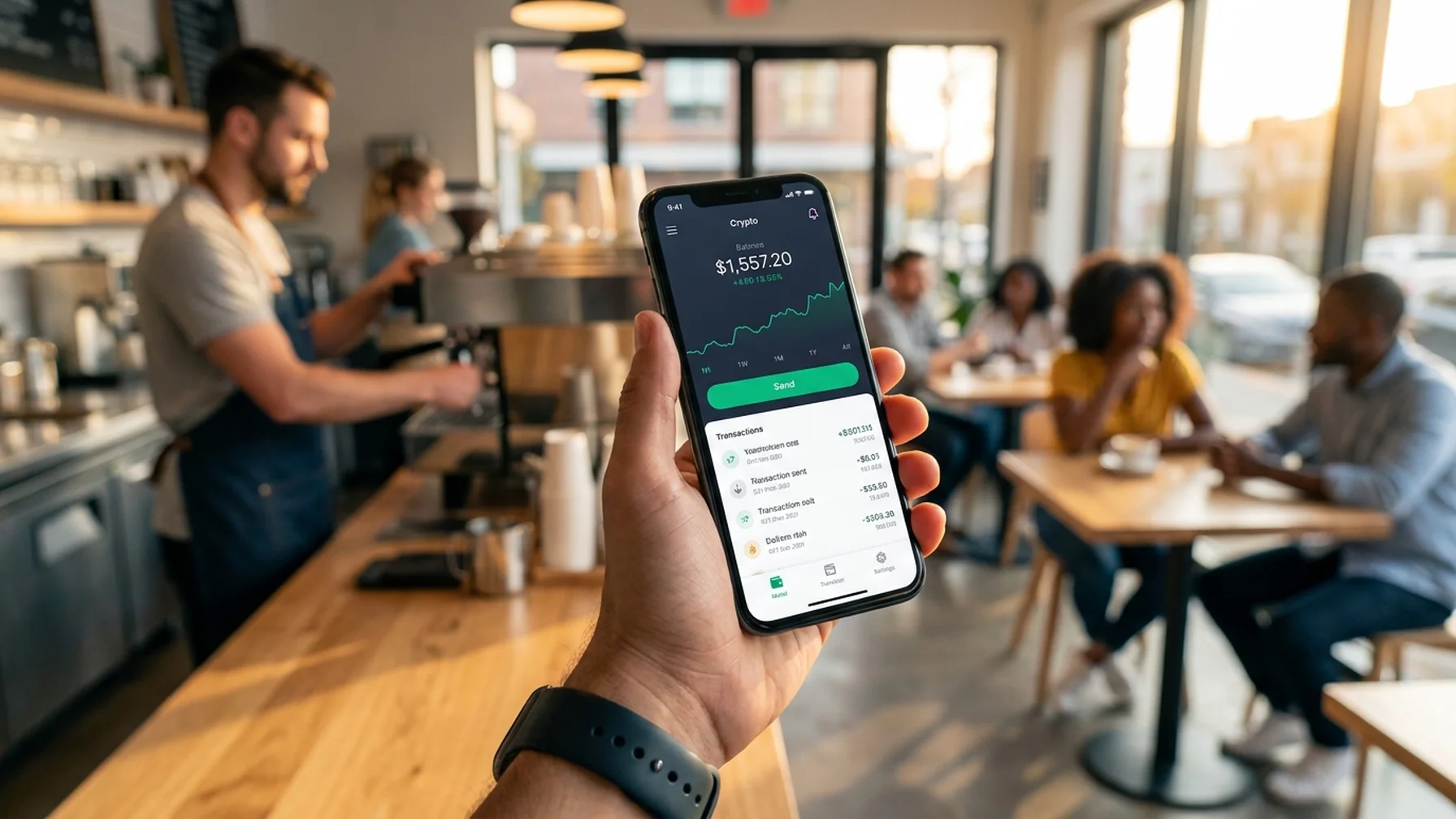
When paying with a crypto wallet, ensure the checkout flow is secure by verifying the website's authenticity. Always use reputable platforms and double-check the transaction details before confirming.
- Use a hardware wallet for long-term storage.
- Back up your seed phrase securely.
- Consider multisig wallets for added security.
- Verify addresses before transactions.
- Enable wallet encryption and 2FA.
- Be cautious of phishing and use password managers.
- Use VPNs and follow OpSec basics.
- Protect against SIM swap attacks.
By following these security tips and understanding the differences between wallet types, you can confidently manage your cryptocurrency assets. Always prioritize security measures to protect your investments from potential threats.