Using a VPN for Crypto Transactions: Enhancing Security and Privacy
Contents
In the world of cryptocurrency, ensuring the security and privacy of your transactions is crucial. One effective way to enhance your crypto dealings is by using a VPN (Virtual Private Network). VPNs provide an extra layer of security and anonymity, making them an essential tool for anyone involved in crypto transactions. This article will explore how using a VPN can enhance your crypto security practices, including its integration with various types of crypto wallets and security measures.
The Role of VPNs in Crypto Security
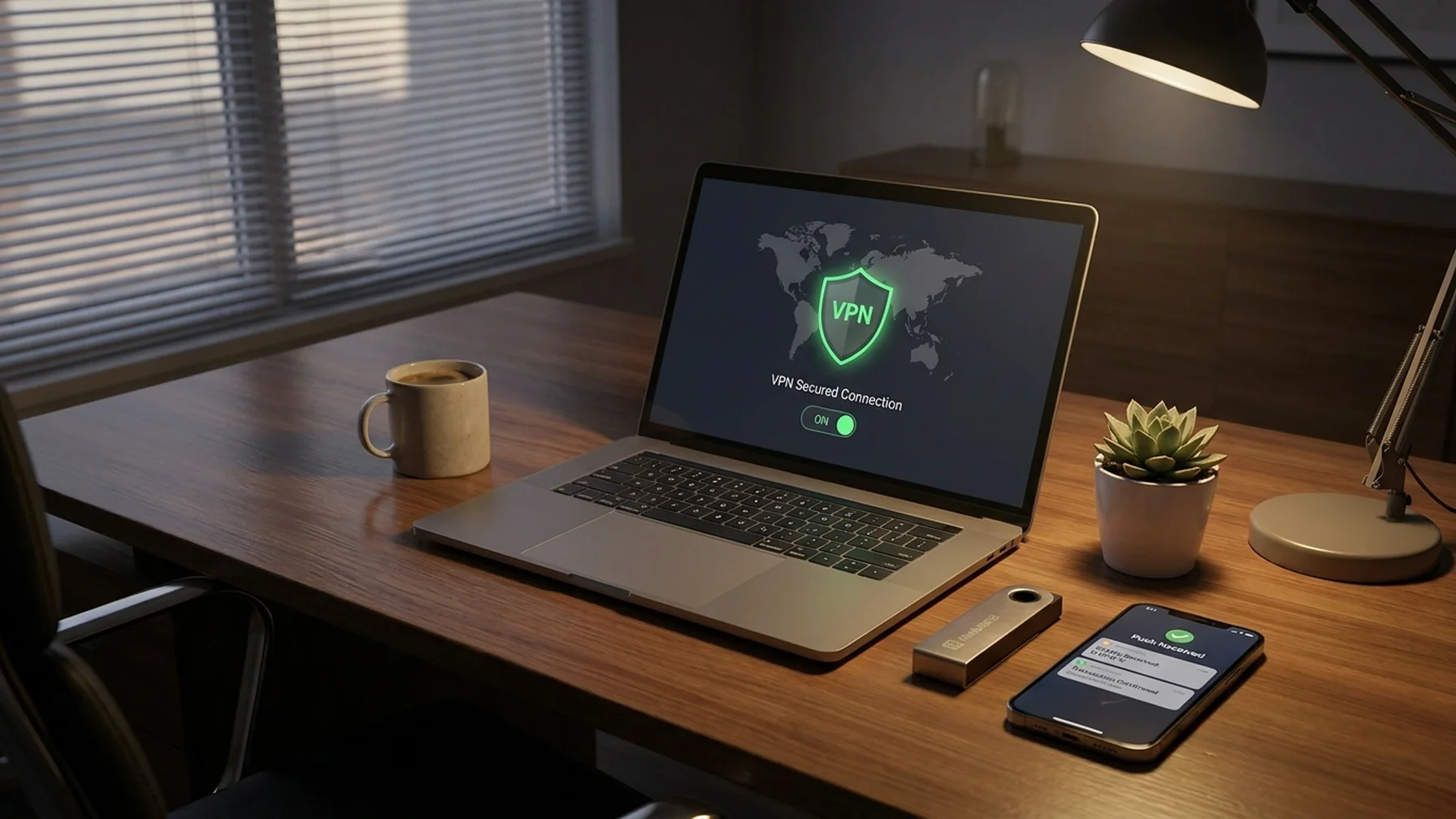
A VPN creates a secure, encrypted connection between your device and the internet. This connection masks your IP address, making your online activities more anonymous and secure. When using a VPN for crypto transactions, this added security layer helps protect your data from potential hackers and surveillance, ensuring your transactions remain private.
Using a VPN for crypto transactions can significantly enhance your privacy and security. The following table outlines the benefits and considerations of using a VPN in this context.
The table below highlights crucial aspects of utilizing a VPN for crypto transactions, balancing both the advantages and potential drawbacks. It is essential to weigh these factors to ensure a secure and efficient trading experience.
| Benefit/Consideration | Description |
|---|---|
| Enhanced Security | VPNs encrypt your internet connection, protecting sensitive data during transactions. |
| Geographic Access | Allows users to access exchanges and services that may be restricted in their region. |
| Anonymity | Helps mask your IP address, providing a layer of anonymity when trading cryptocurrencies. |
| Risk of Trusting the VPN Provider | Choosing a reputable VPN provider is crucial, as they could potentially log your data. |
| Latency Issues | Using a VPN may introduce latency, potentially affecting transaction speeds. |
Choosing Between Hardware and Software Wallets with a VPN
Crypto wallets are essential tools for storing and managing your digital currencies. They come in two main forms: hardware and software wallets.
Hardware wallets, like Ledger and Trezor, offer offline storage, which already provides a high level of security. However, when connecting these wallets to the internet for transactions, using a VPN can add another safeguard by encrypting the connection.
Software wallets, such as MetaMask, Trust Wallet, and Exodus Wallet, are more susceptible to online threats since they are connected to the internet. In these cases, a VPN is particularly beneficial as it helps protect against potential online vulnerabilities.
Steps to Use a VPN for Crypto Transactions
Using a VPN for crypto transactions can enhance your security and privacy. Here are the essential steps to effectively utilize a VPN while engaging in cryptocurrencies:
- Choose a reputable VPN service that offers strong encryption and a no-logs policy.
- Install the VPN application on your device and connect to a secure server location.
- Access your cryptocurrency exchange or wallet while the VPN is active to ensure your IP address remains hidden.
By following these steps, you can protect your sensitive information, maintain anonymity, and improve your overall security when engaging in crypto transactions. Always remember to keep your VPN updated for optimal performance.
Backup and Recovery: Enhancing Security with a VPN
Backing up your seed phrase is crucial for wallet recovery. This backup process can sometimes involve digital storage solutions, where using a VPN can help keep your backup method secure. When accessing your backup or recovering your wallet, a VPN ensures that your private information remains inaccessible to unauthorized parties.
Multisig Wallets and VPNs: A Secure Combination
Multisig wallets require multiple signatures to authorize a transaction, adding an extra layer of security. However, these wallets still interact with the internet, which can expose them to risks. Using a VPN in conjunction with multisig wallets can further secure the transaction process, protecting all parties involved.
Cold Storage vs. Hot Wallets: VPN's Role
Cold storage solutions, being offline, are inherently secure. However, when transferring assets from cold storage to a hot wallet for transactions, a VPN can help secure the transition by encrypting the data flow. Hot wallets, which are always connected to the internet, benefit significantly from VPN use, as they are more vulnerable to attacks.
Custodial vs. Non-Custodial Wallets: VPN Considerations
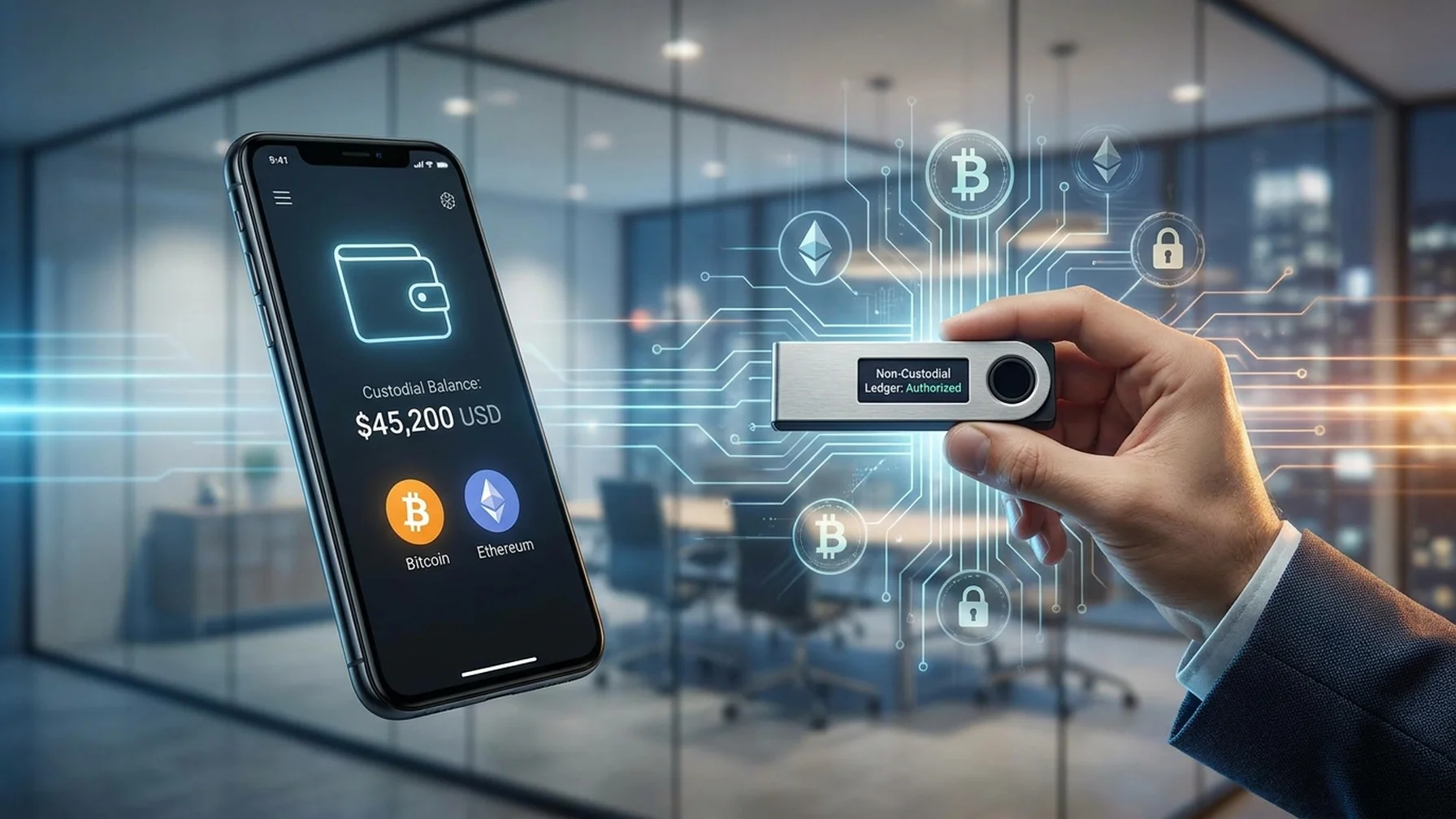
Custodial wallets are managed by third parties, while non-custodial wallets give you full control of your assets. For non-custodial wallets, using a VPN is crucial as it maximizes your control over security by protecting your direct interactions with the network. Even with custodial wallets, a VPN can safeguard your connection to the service provider.
Protecting Against Phishing and SIM Swap Attacks
Phishing scams are a significant threat in the crypto world, often involving fake wallet addresses. Always verify wallet addresses independently, and use a VPN to ensure your internet connection is secure while doing so. This reduces the risk of man-in-the-middle attacks, where cybercriminals intercept and alter your data.
Operational Security (OPSEC) involves practices that protect your crypto activities. VPNs are an integral part of OPSEC, obscuring your online actions and enhancing privacy. Additionally, protecting against SIM swap attacks—where attackers hijack your phone number—can be bolstered by a VPN, which keeps your online activities hidden from potential attackers.
Integrating VPNs with Wallet Encryption and 2FA
Wallet encryption and two-factor authentication (2FA) are critical security measures. Using a VPN alongside these methods provides comprehensive protection. The VPN secures your internet connection, while encryption and 2FA safeguard your wallet access, creating a robust security framework.
Paying with Crypto Wallets: The VPN Advantage
When making purchases using crypto wallets, the checkout flow can expose sensitive data. A VPN protects your payment information by encrypting the data during the transaction process. This ensures that your financial details remain private and secure.
In conclusion, using a VPN for crypto transactions enhances the security and privacy of your digital dealings. By integrating VPNs with various crypto security measures, such as wallet encryption, 2FA, and seed phrase backup, you can significantly reduce the risk of potential threats and ensure a safer crypto experience.