
Contents
As the world of digital currencies grows, understanding the crypto wallet recovery process becomes crucial. Crypto wallets, whether hardware or software, play a vital role in securing your digital assets. In the unfortunate event of wallet access issues, knowing how to recover your crypto wallet can save you from potential loss.
Hardware vs. Software Wallets: Key Differences
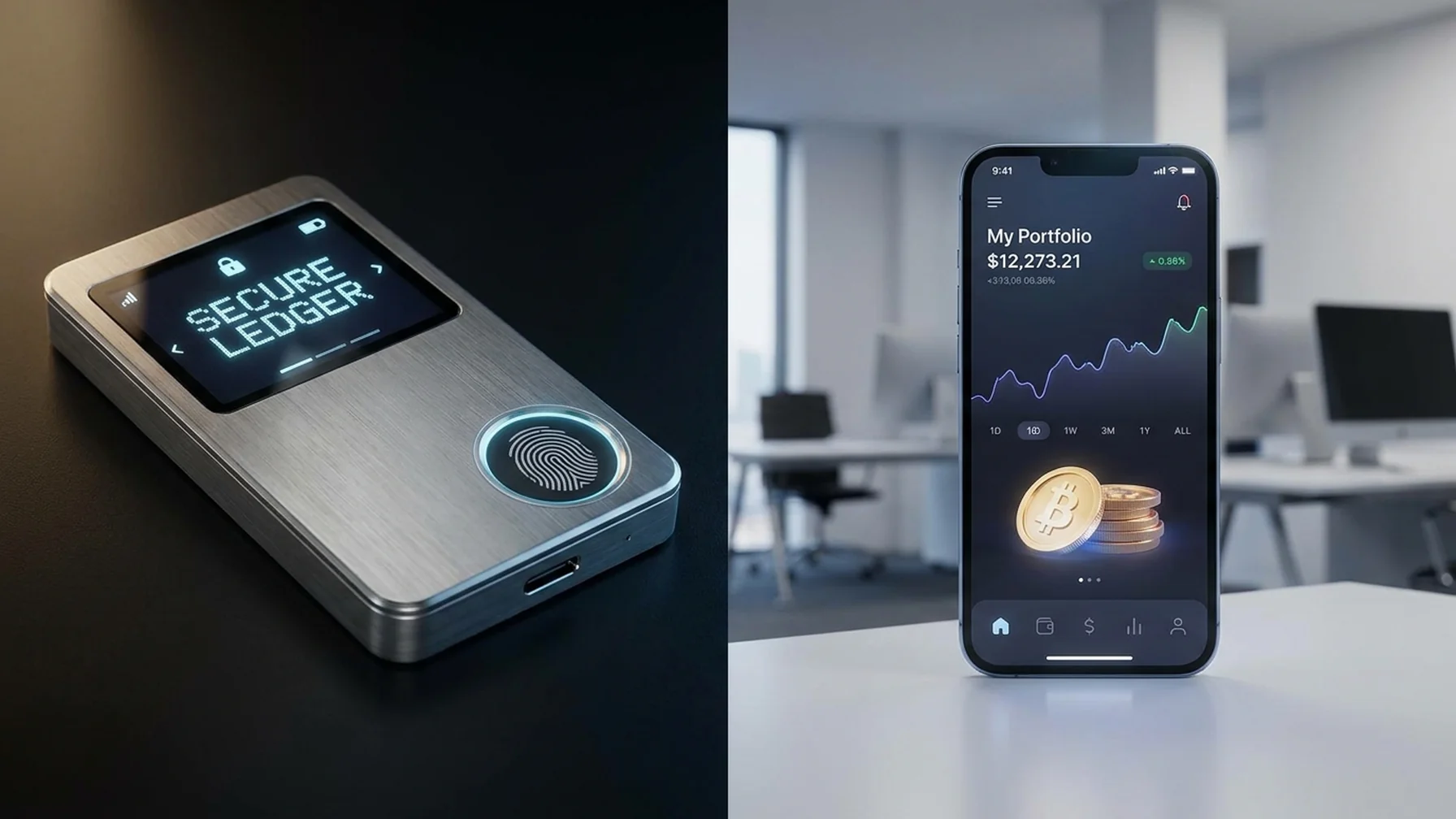
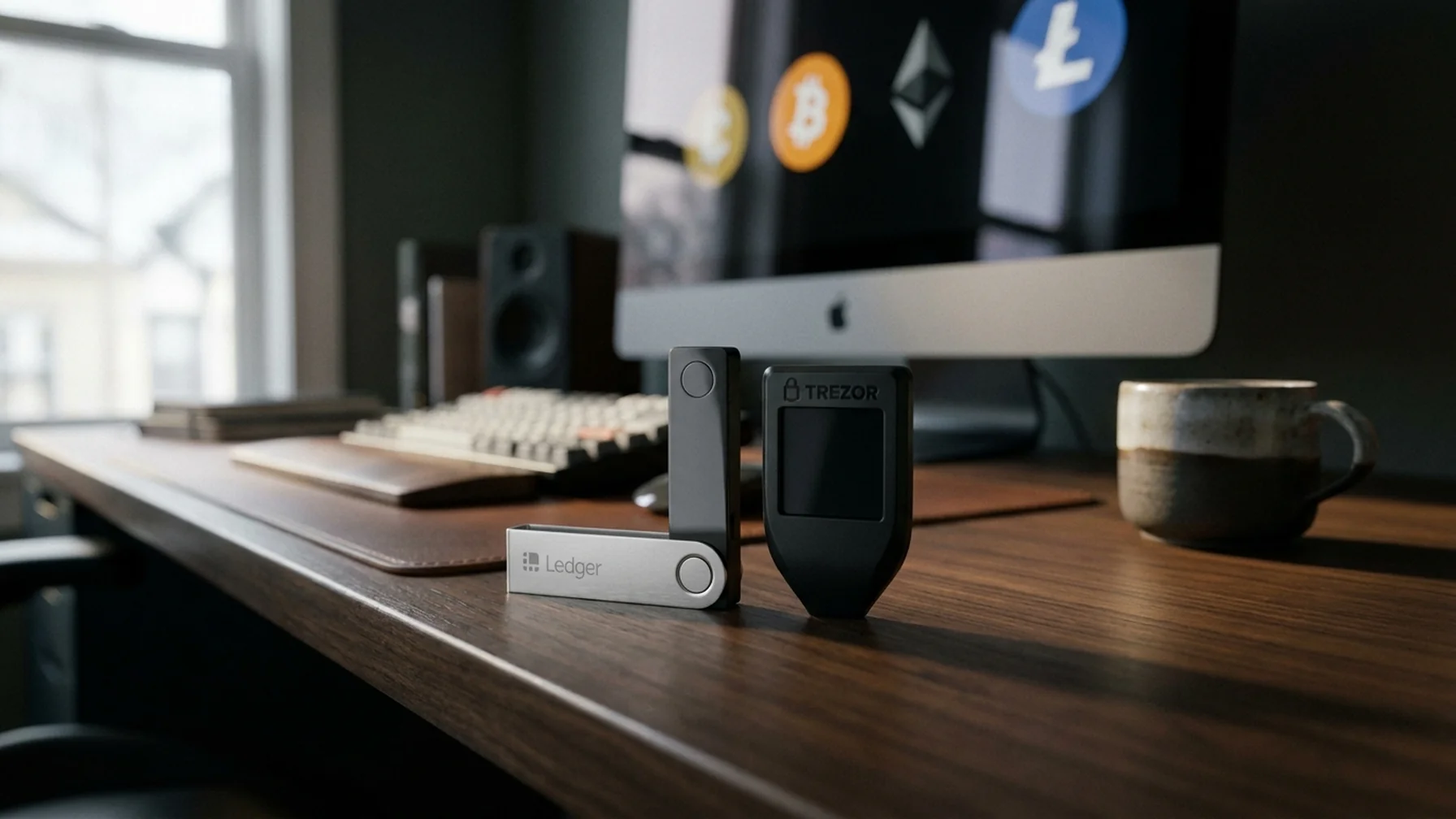
Hardware wallets, like Ledger and Trezor, are physical devices that store your cryptocurrency offline, offering enhanced security against online threats. In contrast, software wallets, such as MetaMask, Trust Wallet, Phantom Wallet, and Exodus Wallet, are applications installed on your devices, providing convenience but often at a higher security risk.
Seed Phrase Backup: Your Lifeline in Wallet Recovery
Seed phrases, a series of words, are essential for wallet recovery. Always write down this phrase and store it in a safe place. This backup is crucial for accessing your wallet if your device is lost or damaged. Remember, anyone with access to your seed phrase can control your funds.
Multisig Wallets: Added Layer of Security
Multisig wallets require multiple keys to authorize a transaction, adding an extra layer of security. This setup can protect against unauthorized access but can complicate the recovery process if not all keys are accessible.
Hot Wallets vs. Cold Storage: Balancing Security and Accessibility
Hot wallets are connected to the internet, offering ease of access for transactions. Cold storage, such as hardware or paper wallets, keeps your crypto offline, reducing hacking risks. Understanding when to use each type is crucial for both security and convenience.
Custodial vs. Non-Custodial Wallets
Custodial wallets are managed by a third party, which holds your private keys. Non-custodial wallets give you full control over your keys and funds. While custodial wallets simplify recovery, non-custodial wallets offer more security and privacy.
Verify Wallet Addresses: Avoid Costly Mistakes
Always double-check the wallet address before sending crypto. A wrong address can lead to irreversible loss. Use QR codes or copy-paste functions to minimize errors.
Smart Contract Wallets: Advanced Features
Smart contract wallets offer programmable features like automated payments and recovery options. However, these advanced features require careful setup and understanding to avoid potential vulnerabilities.
Secure Your Wallet: Tips and Best Practices
- Utilize strong, unique passwords and consider a password manager for safekeeping.
- Enable two-factor authentication (2FA) wherever possible.
- Regularly update your wallet software to patch security vulnerabilities.
- Use a VPN to protect your internet connection when accessing your wallet.
- Practice good operational security (OpSec) to prevent social engineering attacks.
- Protect against SIM swap attacks by securing your mobile account.
By following these precautions, you can significantly reduce the risk of unauthorized access to your crypto assets.
Wallet Recovery: A Step-by-Step Guide
- Locate your seed phrase backup or recovery keys.
- Install the wallet software compatible with your wallet type.
- Select the option to restore or recover a wallet during setup.
- Enter your seed phrase carefully, ensuring each word is correct.
- Follow on-screen prompts to complete the recovery process.
Completing these steps will help you regain access to your wallet and manage your funds effectively.
Special Considerations for Different Wallet Types
Paper wallets, while secure, require careful handling to avoid physical damage. Brain wallets rely on memorized phrases, which can be risky if forgotten. HD wallets (Hierarchical Deterministic wallets) generate a tree of keys from a single seed, simplifying backup and recovery.
Enhancing Crypto Transactions: Wallet Checkout Flow
Using your crypto wallet for purchases involves understanding the checkout flow. Verify transaction details and confirm wallet addresses to ensure smooth transactions. Always keep an eye out for phishing attempts during the checkout process.
By understanding the nuances of crypto wallet recovery and security, you can better protect your digital assets and navigate the complex world of cryptocurrency with confidence.