SIM Swap Protection for Wallets: A Comprehensive Guide
Contents
In the dynamic world of cryptocurrency, safeguarding your digital assets is crucial. One significant threat to crypto security is the SIM swap scam. This article explores SIM swap protection for wallets, offering guidance on hardware versus software options, and emphasizing essential security measures like seed phrase backup and wallet recovery methods.
Why SIM Swap Protection Matters for Crypto Wallets
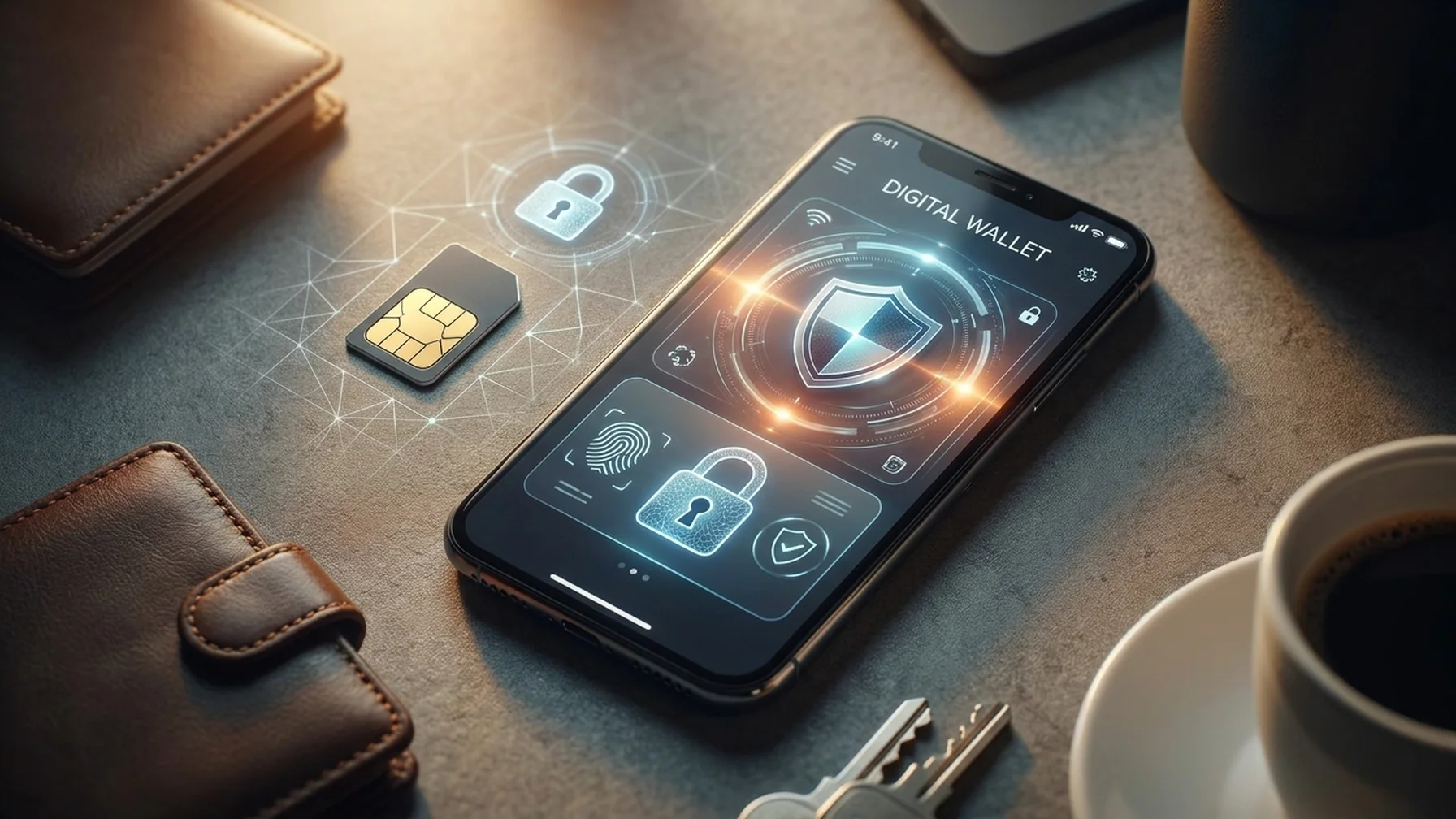
SIM swap scams involve criminals hijacking your phone number by deceiving your mobile carrier. Once they control your number, they can intercept two-factor authentication (2FA) codes sent via SMS, potentially accessing your crypto wallets. This makes SIM swap protection a vital concern for anyone using crypto wallets.
As cryptocurrency wallets grow in popularity, sim swap attacks become a more significant threat. Understanding and implementing protective measures is essential to safeguard your digital assets.
Comparing Hardware and Software Wallets
When selecting a crypto wallet, it's crucial to understand the differences between hardware and software wallets. Each type offers unique features that impact your security strategy.
Here's a brief comparison of their key features:
The table below highlights the main differences between hardware and software wallets:
| Feature | Hardware Wallet | Software Wallet |
|---|---|---|
| Security | Stores keys offline, offering strong protection against online threats | Requires additional security measures |
| Convenience | Less convenient for frequent transactions | More convenient for everyday use |
| Cost | Generally more expensive | Often free or low cost |
Choosing between a hardware and software wallet depends on your security needs and how you plan to use your cryptocurrency. Both types play roles in a comprehensive security strategy.
Effective SIM Swap Protection Strategies
To protect your wallet from SIM swap attacks, consider implementing the following strategies:
- Enable two-factor authentication (2FA) on all accounts linked to your wallet.
- Use a dedicated authentication app rather than SMS for 2FA codes.
- Contact your mobile carrier to add a PIN or password for enhanced security.
- Set up alerts with your carrier to notify you of any account changes.
- Use strong, unique passwords for wallet accounts to reduce hacking risks.
- Consider SIM locking by contacting your mobile carrier to lock your SIM card to your device.
Implementing these strategies can significantly reduce the risk of a SIM swap attack compromising your wallet. Remaining proactive and informed is vital in maintaining the safety of your digital assets.
Seed Phrase Backup and Wallet Recovery
Your wallet's seed phrase is crucial for security. It allows you to recover your wallet if your device is lost or stolen. Always store your seed phrase securely and away from prying eyes. Consider a multisig wallet setup for added security, where multiple approvals are required for transactions, reducing unauthorized access risks.
Cold Storage and Hot Wallets
Cold storage involves keeping your crypto assets offline, significantly reducing hack risks. Hardware wallets are a form of cold storage. In contrast, hot wallets are connected to the internet and more vulnerable. Use hot wallets for small, everyday transactions and keep most of your assets in cold storage.
Custodial vs. Non-Custodial Wallets
Custodial wallets are managed by third parties, meaning they hold your private keys. This can be convenient but poses security risks if the custodian is compromised. Non-custodial wallets give you full control over your private keys, enhancing security but requiring you to manage all aspects of wallet safety.
Ensuring Secure Transactions: Verify Wallet Addresses
When sending crypto, always double-check wallet addresses to avoid address spoofing. Using smart contract wallets can enhance security by allowing you to set spending limits and require multiple confirmations.
Comparing Leading Hardware Wallets: Ledger vs. Trezor
Ledger and Trezor are top hardware wallets, each with strengths. Ledger offers a sleek design with a robust security chip, while Trezor provides open-source firmware, which the community can audit. Both are excellent choices for securing crypto assets offline.
Understanding Wallet Derivation and HD Wallets
HD wallets, or Hierarchical Deterministic wallets, generate a new address for each transaction, enhancing privacy and security. Wallet derivation involves creating these addresses from a single seed phrase, making it essential to secure your seed phrase to protect all derived addresses.
Enhancing Security: Wallet Encryption and 2FA Setup
Encrypting your wallet adds an extra security layer by requiring a password to access your funds. Setting up 2FA ensures that even if someone gains access to your wallet credentials, they cannot complete transactions without the second factor of authentication.
Avoiding Phishing Attacks and Using Password Managers
Phishing attacks are a common threat to crypto users. Always verify the authenticity of emails and websites before entering any sensitive information. Password managers can help manage complex passwords, reducing the risk of using weak or repeated passwords across accounts.
VPNs and Operational Security Basics for Crypto Users
Using a VPN can mask your IP address, adding a layer of privacy when accessing crypto wallets. Practicing basic operational security involves being cautious about sharing personal information online and staying informed about potential security threats.
Conclusion: Strengthening Crypto Security with SIM Swap Protection
Securing your crypto assets requires a multi-layered approach. From choosing the right wallet to implementing strong security practices, each step is essential in safeguarding your investments. By understanding SIM swap protection and integrating it with other security measures, you can confidently navigate the cryptocurrency landscape.