Essential Wallet Encryption Tips for Crypto Security
Contents
In the rapidly evolving landscape of cryptocurrencies, securing your wallet is a top priority. Whether you use a hardware or software wallet, employing effective wallet encryption tips is vital to protect your assets from threats. This guide will walk you through essential tips to boost your crypto security with effective wallet management and encryption strategies.
Hardware and Software Wallets: Comparing Security Features
When considering wallet options, understanding the security features of hardware and software wallets is crucial. Hardware wallets, such as Ledger and Trezor, offer offline storage, reducing the risk of online attacks. In contrast, software wallets like MetaMask and Trust Wallet provide convenience but require vigilant security practices.
Here's a comparison to help you decide:
| Feature | Hardware Wallets | Software Wallets |
|---|---|---|
| Storage | Offline | Online |
| Security | High | Moderate |
| Convenience | Lower | Higher |
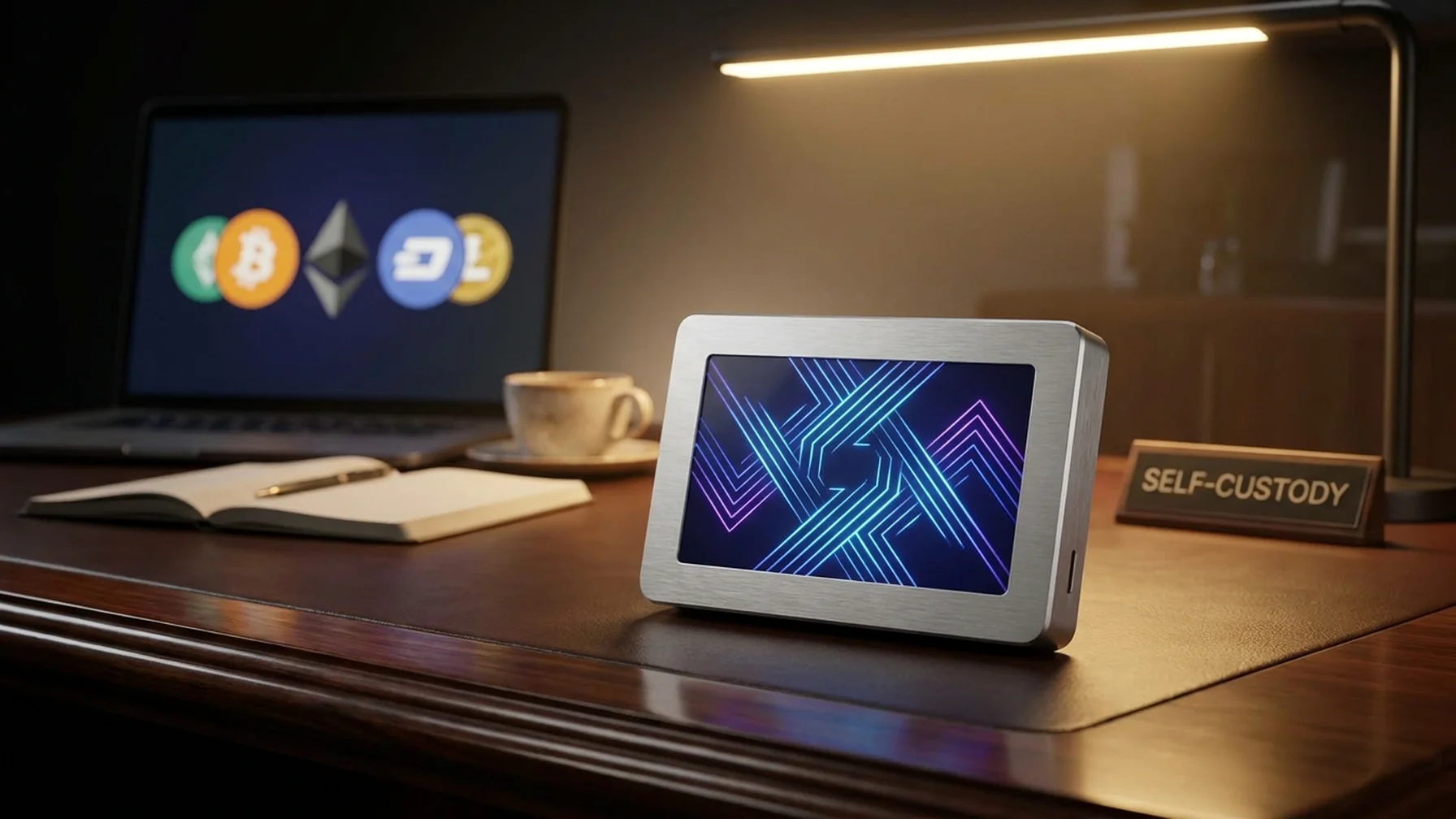
For long-term storage, hardware wallets are preferred. For frequent transactions, software wallets are more practical, provided strong security measures are in place.
Steps to Encrypt Your Wallet Effectively
Encrypting your wallet is a critical step in safeguarding your digital assets. Follow these steps to ensure your wallet encryption is robust:
- Open your wallet's settings menu.
- Select the encryption option available.
- Create a strong password with a mix of letters, numbers, and symbols.
- Complete the encryption process as instructed.
These steps help ensure that your wallet remains secure and your digital holdings are protected from unauthorized access.
Backing Up Your Seed Phrase: Essential Practices
Your seed phrase is crucial for wallet recovery. Store it securely and offline. Consider writing it down on paper and keeping it in a safe location, protected from physical damage. A practical example is using a fireproof and waterproof safe to store the written seed phrase.
Understanding Multisig Wallets for Enhanced Security
Multisignature (multisig) wallets require multiple approvals for transactions, providing an extra security layer. They are particularly useful for joint accounts or business use, offering protection against unauthorized access. For instance, a business could require two managers to approve any transaction over a certain amount, enhancing security.
Additional Tips and Tools for Crypto Security
To further protect your crypto assets, consider these additional tips:
- Two-Factor Authentication (2FA): Adds an extra security layer to your wallet.
- Avoid Phishing: Always verify wallet addresses before transactions.
- Use a VPN: Protect online activities with a Virtual Private Network.
- Password Managers: Secure your passwords with a trusted manager.
- Operational Security: Maintain privacy by safeguarding personal information.
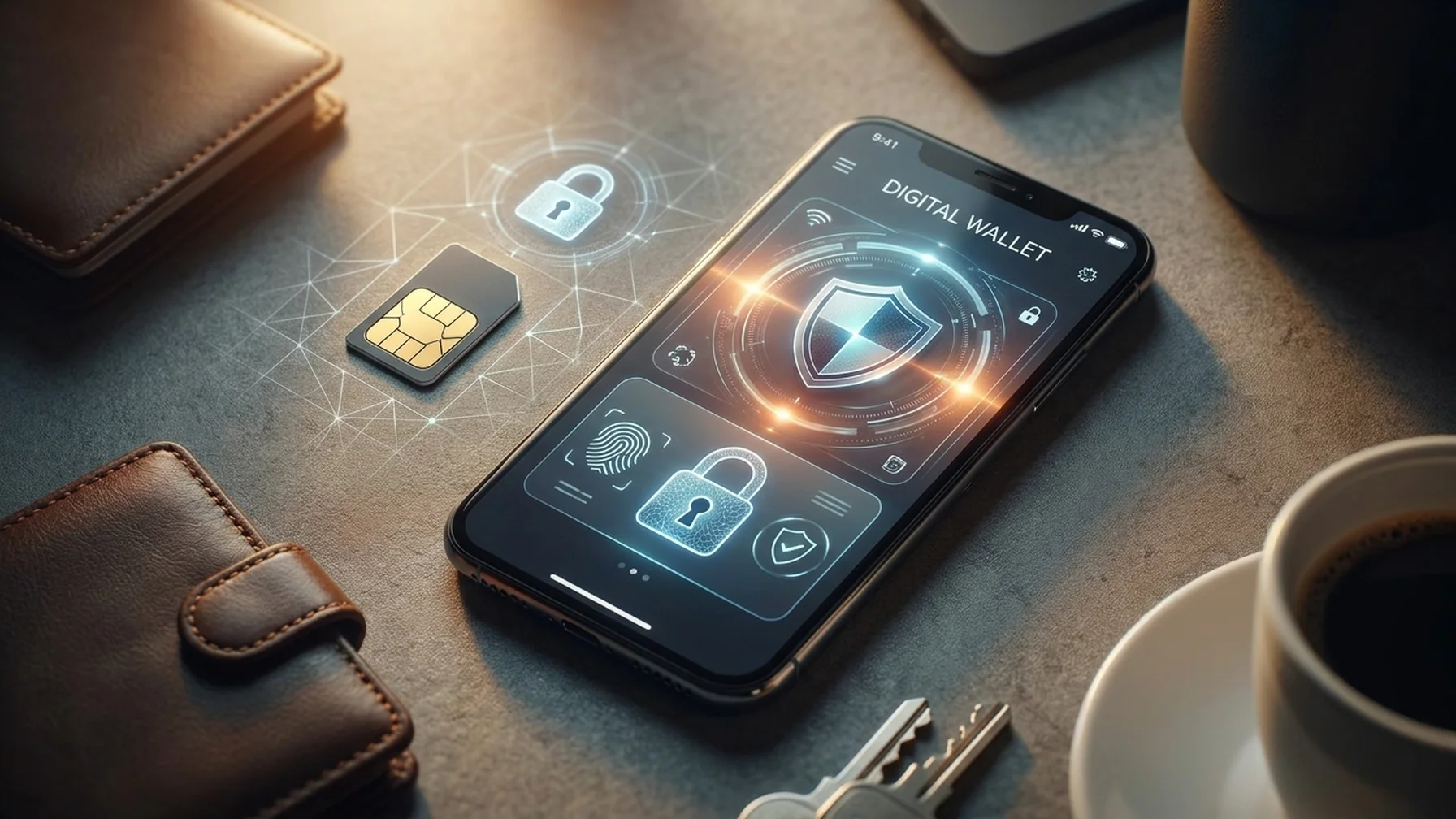
- Prevent SIM Swaps: Secure your phone number against unauthorized changes.
By implementing these measures, you can significantly reduce the risk of hacks and unauthorized access to your wallets.
Exploring Different Wallet Types
There are various wallet types, each with unique security and convenience features:
- Cold Storage: Offline options like paper wallets offer maximum security.
- Hot Wallets: Online wallets provide easy access for smaller amounts.
- Smart Contract Wallets: Automate transactions with security features.
- Brain Wallets: Memorize a passphrase for portable security.
Choose a wallet type based on your specific security needs and usage plans.
HD Wallets and Their Derivation Paths
Hierarchical Deterministic (HD) wallets generate a sequence of keys from a single seed phrase. This allows for easy backup and recovery while ensuring access to all generated addresses. Understanding derivation paths is essential for managing multiple addresses efficiently.
Choosing Between Ledger and Trezor
Ledger and Trezor are leading hardware wallets, each with distinct features:
| Feature | Ledger | Trezor |
|---|---|---|
| Price Range | Moderate | Moderate to High |
| Supported Coins | Extensive | Wide Range |
| Security Features | Secure Element Chip | Open Source Firmware |
Ledger's secure element chip and Trezor's open-source firmware cater to different user preferences, making both excellent choices depending on your security priorities.
Implementing Secure Checkout Flows with Crypto Wallets
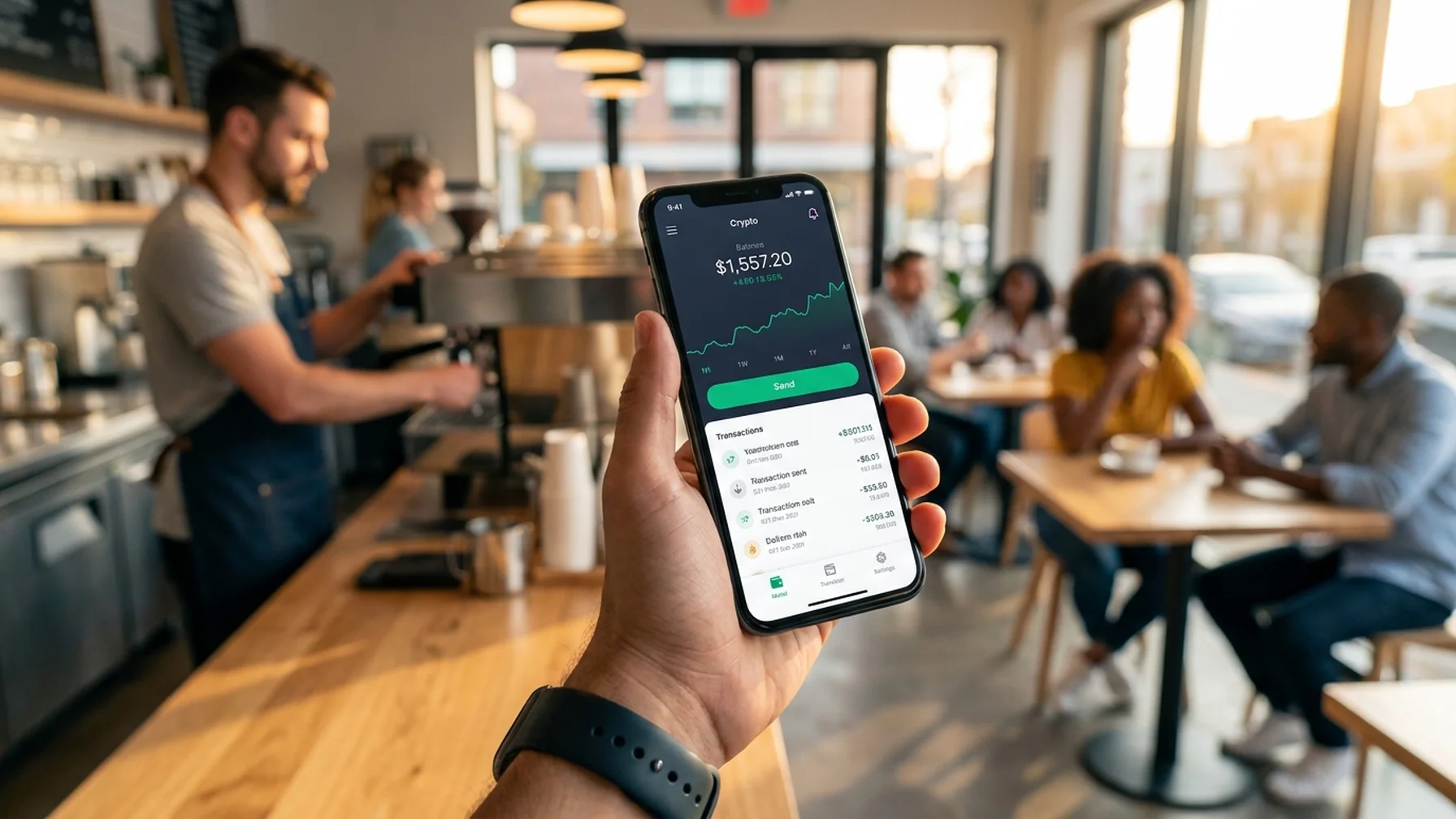
When making purchases with crypto, always verify the wallet address and use secure networks. This helps prevent errors and phishing attempts. For example, using wallets like Phantom and Rainbow can facilitate smooth and secure transactions.
By adhering to these wallet encryption tips and security practices, you can effectively protect your crypto assets. Stay informed and proactive to ensure your digital investments remain secure.