
Crypto OpSec Basics: A Guide to Secure Your Digital Assets
Contents
Understanding crypto opsec basics is vital for safeguarding your digital assets. Whether using a hardware wallet like Ledger or a software wallet such as MetaMask, maintaining robust operational security is crucial. This guide will walk you through essential strategies and tools to protect your cryptocurrency.
Choosing Between Hardware and Software Wallets
When storing cryptocurrencies, two primary options are available: hardware wallets and software wallets. Hardware wallets, like Trezor and Ledger, store your private keys offline, providing enhanced security against online attacks. Software wallets, such as Trust Wallet and Exodus Wallet, offer convenience but require extra security measures.
- Hardware Wallets: Ideal for long-term storage, keeping private keys offline.
- Software Wallets: Better for frequent transactions but need strong security practices.
Both types have advantages, and using a combination can balance security and usability effectively.
Implementing Password Managers and VPNs
Enhancing crypto security involves using tools like password managers and VPNs. A password manager helps create and store strong, unique passwords for your accounts, while a VPN encrypts your internet connection, safeguarding your data from hackers.
- Choose a reputable password manager and install it.
- Create strong, unique passwords for each crypto account.
- Regularly update your stored passwords.
- Select a reliable VPN service and connect to it for crypto activities.
- Ensure your VPN is always active when entering sensitive information online.
These tools form essential components of a comprehensive opsec strategy, ensuring privacy and security in your online activities.
Understanding Seed Phrase Backup and Wallet Recovery
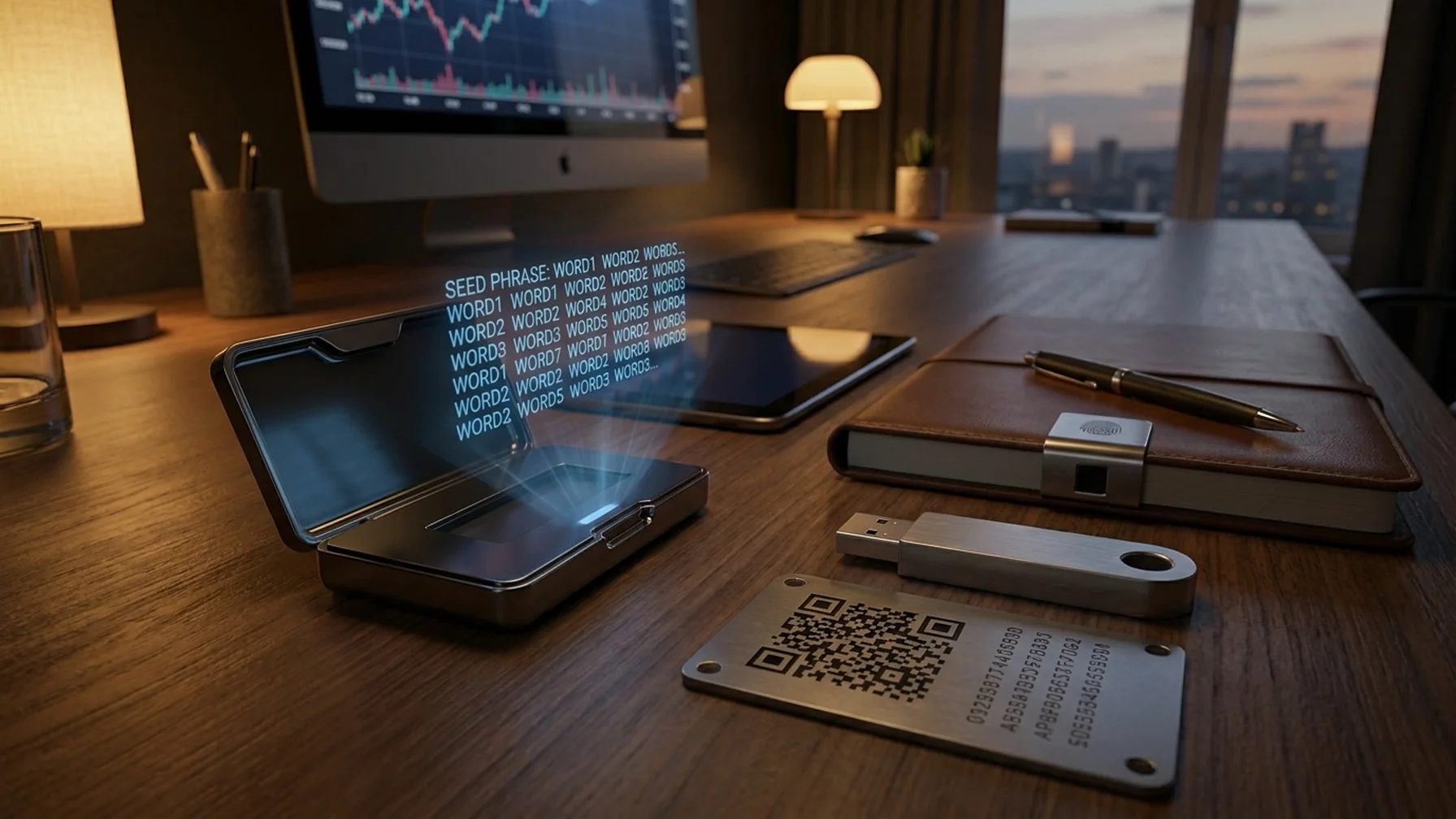
A seed phrase is a series of words generated by your wallet for recovery purposes. Backing it up is critical. Store it in multiple secure locations, avoiding digital storage to minimize risks. If you lose your wallet, the seed phrase helps recover your assets.
Never share your seed phrase with anyone, as it grants access to your funds.
Exploring Multisig and Smart Contract Wallets
Multisig wallets require multiple private keys to authorize transactions, enhancing security by spreading control. Smart contract wallets, meanwhile, offer programmable features, allowing automated processes and conditions.
Multisig wallets are beneficial for joint accounts, ensuring no single party can act unilaterally.
Hot Wallets vs Cold Storage: Balancing Access and Security
Hot wallets are internet-connected, suitable for frequent transactions. Cold storage, like paper or hardware wallets, keeps assets offline, reducing hacking risks.
For optimal security, store a small amount in a hot wallet for daily use, while keeping the majority in cold storage.
Custodial vs Non-Custodial Wallets: Control and Security
Custodial wallets, where a third party holds your private keys, offer ease of use but less control. Non-custodial wallets give you full control of your keys, enhancing security but requiring more personal responsibility.
For those prioritizing control, non-custodial wallets are preferable, allowing full autonomy over digital assets.
Essential OpSec Practices for Crypto Security
Implementing strong operational security practices is essential for protecting your cryptocurrency. Below is a summary of key practices every crypto user should consider.
| OpSec Practice | Description |
|---|---|
| Use Strong Passwords | Create complex passwords using a mix of letters, numbers, and symbols. |
| Enable Two-Factor Authentication (2FA) | Add an extra layer of security on your accounts by using 2FA. |
| Keep Software Updated | Regularly update your wallet and security software to protect against vulnerabilities. |
| Avoid Public Wi-Fi | Do not access crypto accounts over unsecured public networks. |
By following these practices, you can significantly reduce the risk of losing your cryptocurrency to theft or fraud.
Ensuring Safe Transactions: Verifying Wallet Addresses
Before sending any cryptocurrency, double-check the recipient's wallet address. Mistakes here can result in loss of funds. Use QR codes or trusted contact lists to minimize errors.
Be cautious of phishing attempts where malicious actors mimic legitimate addresses to steal funds.
Enhancing Security with Wallet Encryption and 2FA
Encrypting your wallet adds a security layer, making unauthorized access harder. Enabling two-factor authentication (2FA) provides extra verification, requiring a secondary code besides your password.
These measures are vital in protecting against unauthorized access.
Protecting Against Phishing and SIM Swap Attacks
Phishing attacks use fake emails or websites to steal credentials. Always verify sources and avoid clicking suspicious links. SIM swap attacks involve taking control of your phone number to bypass security. To mitigate risk, limit SMS for authentication and use app-based 2FA.
Vigilance is your best defense against these threats.
Conclusion: Putting Crypto OpSec Basics into Practice
Securing cryptocurrencies involves combining the right tools and practices. By understanding wallet types, safeguarding your seed phrase, and employing security measures like encryption and 2FA, you can greatly reduce risks. Stay informed and proactive in adopting new security techniques as the crypto landscape evolves.