
Understanding Seed Phrase Backup Methods for Crypto Wallets
Contents
When dealing with cryptocurrencies, the security of your assets is paramount. One of the most critical components of this security is the seed phrase. A seed phrase, also known as a recovery phrase, is a set of words that allows you to access your crypto wallet. Properly backing up your seed phrase is essential for ensuring the safety of your digital assets.
Hardware vs. Software Wallets: Which is Better for Seed Phrase Backup?
Crypto wallets come in two primary forms: hardware and software. Hardware wallets, like Ledger and Trezor, store your seed phrase offline, providing robust security against online threats. On the other hand, software wallets, such as MetaMask, Trust Wallet, and Exodus, are more convenient for everyday use but require careful handling of your seed phrase to prevent unauthorized access.
For long-term storage, hardware wallets offer superior protection by keeping your seed phrase offline. However, for frequent transactions, software wallets provide ease of access, though they demand rigorous security practices.
Exploring Various Backup Methods for Seed Phrases
Backing up your seed phrase effectively means choosing methods that are both secure and reliable. Here are some common seed phrase backup methods:
- Paper Wallet: Write down your seed phrase on paper and store it in a safe place. This method is simple but vulnerable to physical damage.
- Metal Backup: Engrave your seed phrase on a metal plate for durability and resistance to fire and water.
- Digital Backup: Store your seed phrase in an encrypted digital file, but ensure it is not connected to the internet.
- Brain Wallet: Memorize your seed phrase. This method is risky unless you have an excellent memory.
Each method has its pros and cons, and the best choice depends on your personal security needs and circumstances.
Multisig Wallets: An Extra Layer of Security
Multisig wallets require multiple signatures to authorize a transaction, adding an extra layer of security. By distributing access across multiple devices or individuals, multisig wallets reduce the risk of a single point of failure. However, this complexity requires careful management to ensure that all parties maintain secure backups of their respective seed phrases.
Hot Wallet vs. Cold Storage: Balancing Security and Accessibility
Hot wallets, connected to the internet, are ideal for everyday transactions but are more vulnerable to hacks. Cold storage, such as hardware wallets, keeps your assets offline, providing greater security but less convenience. Balancing between these two options is key: use hot wallets for small amounts and immediate transactions, while storing the bulk of your assets in cold storage.
Custodial vs. Non-Custodial Wallets: Who Holds the Keys?
Custodial wallets are managed by a third party, such as an exchange, holding your private keys. Non-custodial wallets, like Phantom and Rainbow Wallet, give you full control of your keys. Opting for non-custodial wallets enhances security but places the responsibility of seed phrase backup squarely on your shoulders.
Crypto Security Tips: Protecting Your Assets
Beyond choosing the right wallet, several practices can enhance your crypto security:
- Verify Wallet Address: Always double-check the wallet address before sending crypto to avoid scams.
- Avoid Phishing: Be cautious of suspicious emails and websites that may attempt to steal your credentials.
- Use Password Managers: Securely store complex passwords to protect your wallet and related accounts.
- Enable Two-Factor Authentication (2FA): Add an extra layer of security to your wallet accounts.
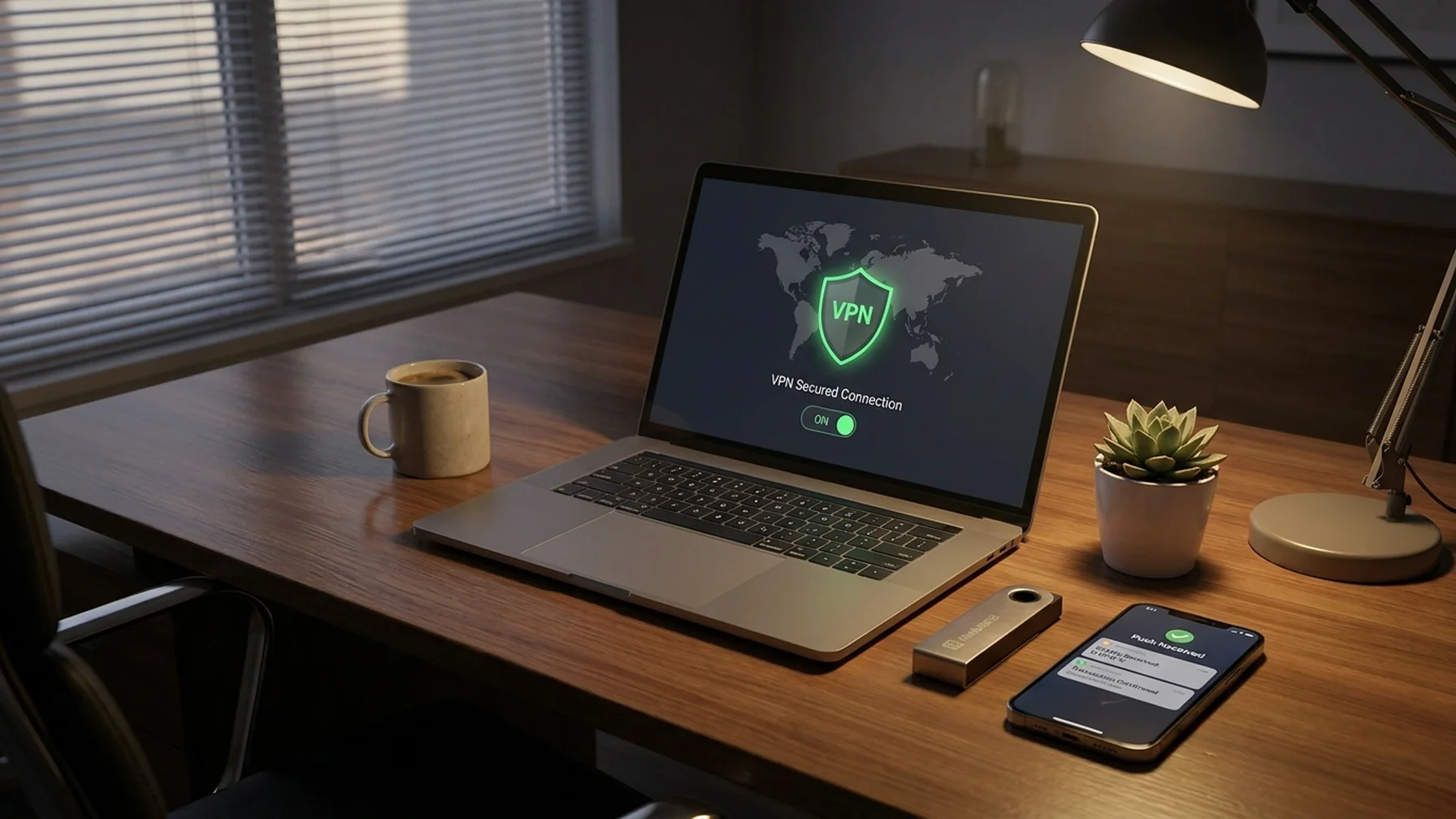
- Use a VPN for Crypto Transactions: Protect your online privacy and prevent unauthorized access.
- Practice Opsec Basics: Maintain operational security by keeping your crypto activities private.
- Sim Swap Protection: Secure your phone number from unauthorized changes to prevent account takeovers.
By integrating these practices into your crypto activities, you significantly reduce the risk of losing access to your assets.
Wallet Recovery: Steps to Regain Access
If you lose access to your crypto wallet, your seed phrase is your key to recovery. Follow these steps for wallet recovery:
- Locate your seed phrase backup.
- Install the wallet software compatible with your seed phrase.
- Enter the seed phrase when prompted to recover your wallet.
- Verify that your wallet balance and transactions are correct.
Ensuring that your seed phrase is safely backed up is crucial for smooth wallet recovery in case of emergencies.
Conclusion: Prioritize Your Crypto Security
Seed phrase backup methods are integral to securing your crypto assets. Whether you choose a hardware or software wallet, ensuring that your seed phrase is securely backed up is vital. By understanding the strengths and weaknesses of different wallets and backup methods, and by implementing solid security practices, you can protect your digital assets effectively. Take control of your crypto security today and safeguard your financial future.